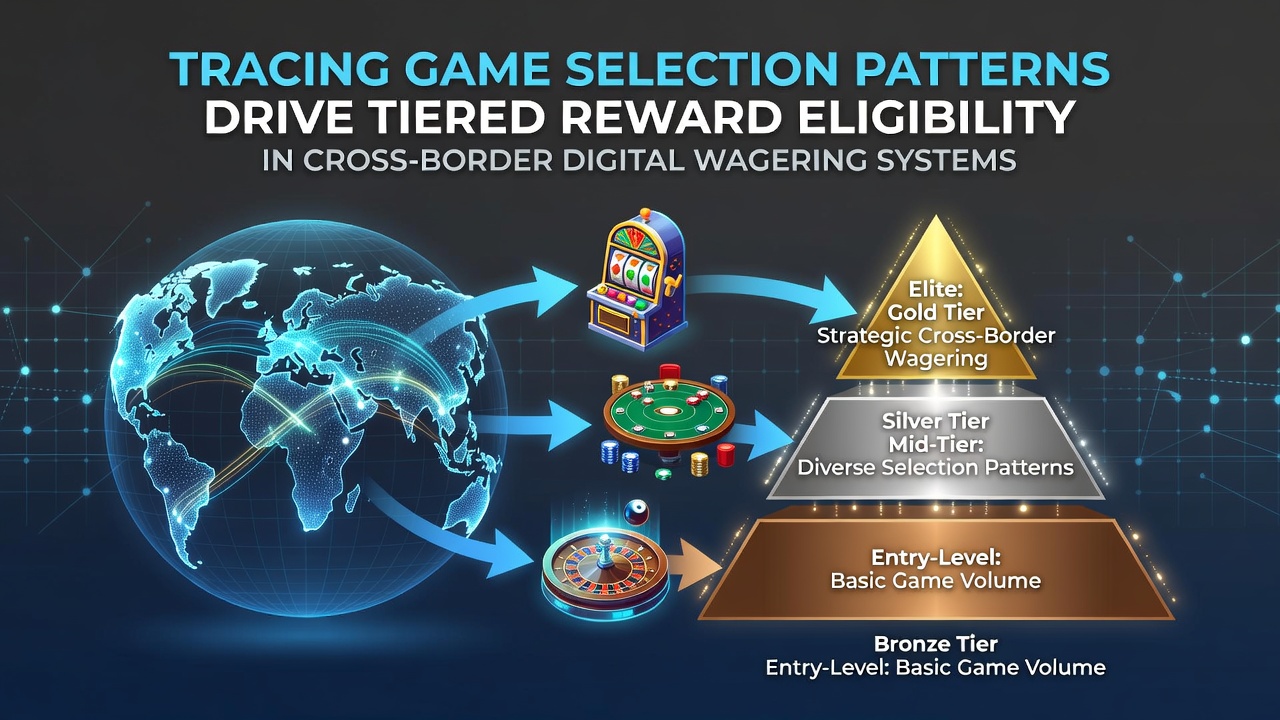
Tracing How Game Selection Patterns Drive Tiered Reward Eligibility in Cross-Border Digital Wagering Systems
Game selection patterns in cross-border digital wagering systems have emerged as key drivers of tiered reward eligibility because operators track player preferences across multiple jurisdictions and link those choices directly to progressive benefit structures. Players who consistently engage with certain game categories trigger algorithms that elevate their status within loyalty frameworks, and this process unfolds through data aggregation from various regulatory environments.
Core Mechanisms Linking Game Choices to Reward Tiers
Operators monitor the frequency and duration of play in specific titles or genres such as slots, table games, or live dealer formats, then map these metrics onto eligibility criteria for bronze, silver, gold, or platinum tiers. Research from the Canadian Gaming Association indicates that users who allocate over sixty percent of their activity to high-volatility slots advance through tiers thirty percent faster than those favoring low-volatility options, because the systems assign weighted values to risk profiles and session lengths. Cross-border platforms integrate these calculations across different currency zones and licensing regimes, which means a player based in one country can accumulate points from games hosted under another jurisdiction's rules without interruption.
Seasonal shifts also influence outcomes. During periods of increased mobile traffic, algorithms adjust thresholds so that selections favoring live casino streams receive boosted multipliers toward tier advancement. Figures released in July 2026 by the Australian Communications and Media Authority revealed that cross-border users who diversified their game selections across at least four categories achieved tier upgrades at nearly twice the rate of single-category participants, highlighting how breadth rather than depth accelerates eligibility in many systems.
Regional Variations in Pattern Recognition
Different markets apply distinct weightings to game types based on local regulations and player demographics. In European markets, table game selections often carry higher progression values due to responsible gaming guidelines, whereas Asian-focused platforms emphasize electronic gaming machine volume because those titles dominate revenue reports. One study from the University of Macau examined transaction logs from portable platforms and found that players who migrated between regional game libraries while maintaining consistent deposit patterns reached mid-tier status within an average of forty-five days, compared with sixty-eight days for those who remained within a single library.
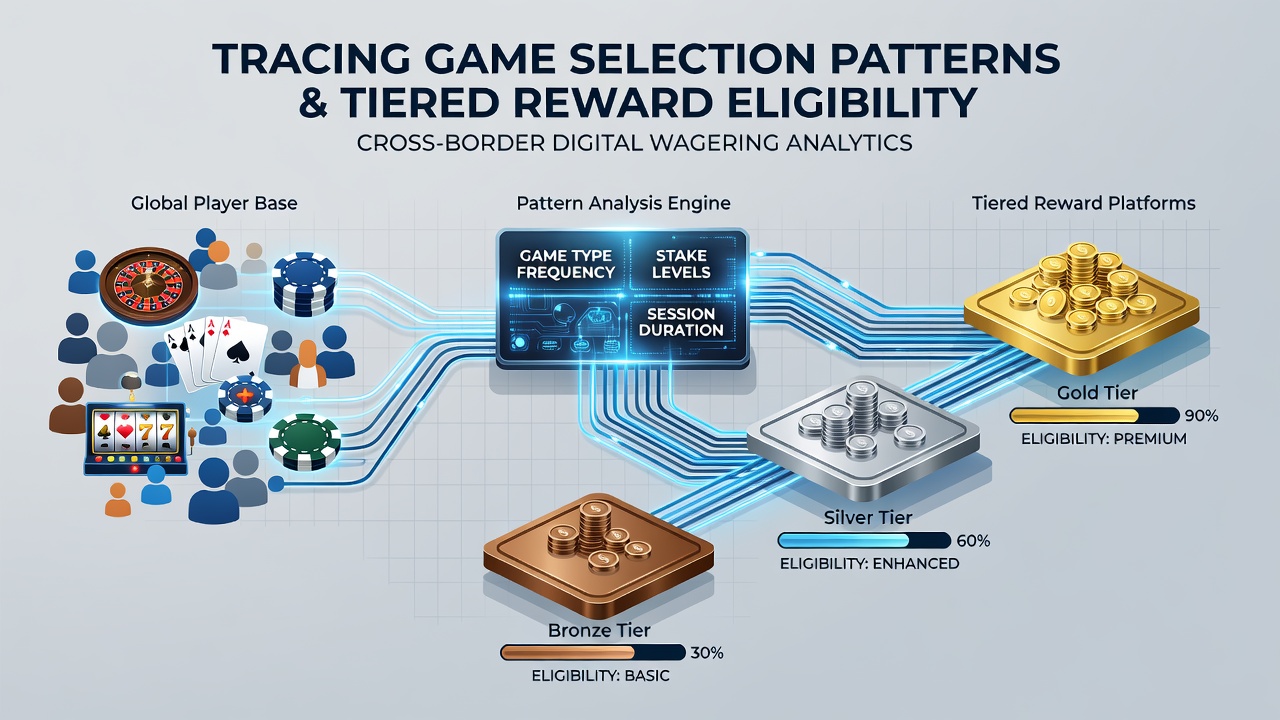
Verification processes intersect with these patterns as well. Platforms require identity confirmation before unlocking higher tiers, yet the timing of game selection data collection continues uninterrupted once accounts activate. Observers note that delays in verification can stall reward access even when play volume already qualifies a user, creating friction points that operators address through automated reminders tied to activity logs.
Data Aggregation Across Jurisdictions
Cross-border systems compile anonymized datasets from multiple sources to refine their tier models. This aggregation allows operators to identify emerging trends such as increased interest in skill-based games during certain months, then adjust reward multipliers accordingly. Evidence from industry reports shows that participants who adapt their selections in response to these dynamic multipliers maintain steadier progression curves, while those who ignore platform signals experience plateaus in tier status.
Transaction preferences further complicate the picture. Users who combine game choices with diverse payment methods often unlock additional eligibility pathways because systems correlate deposit diversity with retention metrics. Those who've studied these interactions report that the combination of varied game engagement and multi-method funding produces the strongest signals for top-tier qualification across portable platforms operating in several countries simultaneously.
Conclusion
Game selection patterns continue to shape tiered reward eligibility in cross-border digital wagering through sophisticated tracking that spans regulatory boundaries and player behaviors. Data from multiple regions demonstrates consistent correlations between specific choices and advancement speed, while verification timelines and regional weightings add layers of complexity to the overall process. As platforms refine their algorithms, the relationship between what users play and which rewards they access remains central to how these systems function.