Tracing Algorithm-Driven Personalization Effects on Reward Allocation Sequences Within Evolving Digital Wagering Interfaces
Algorithm-driven personalization has reshaped how digital wagering platforms distribute rewards by analyzing user behavior patterns in real time, and data from industry reports shows these systems adjust bonus sequences based on engagement metrics, deposit history, and session length. Researchers at institutions across North America have documented how machine learning models process thousands of variables to sequence rewards, which creates tailored sequences that differ from one player to the next even when they use the same platform.
How Personalization Algorithms Operate in Wagering Environments
Platforms collect data points that include time spent on specific games, frequency of deposits, and response rates to previous offers, then feed this information into models that predict optimal reward timing and type. Observers note that these algorithms often prioritize sequences favoring loyalty multipliers for high-activity users while routing newer participants toward introductory free spins or deposit matches, and the result appears in allocation logs that show distinct reward ladders emerging within weeks of account creation.
Studies conducted by Canadian research groups indicate that personalization engines update every few minutes during active sessions, which allows reward offers to shift if a player changes games or increases bet sizes mid-session. This dynamic adjustment relies on reinforcement learning techniques that test small variations in offer structure and retain those producing higher retention signals.
Effects on Reward Allocation Sequences
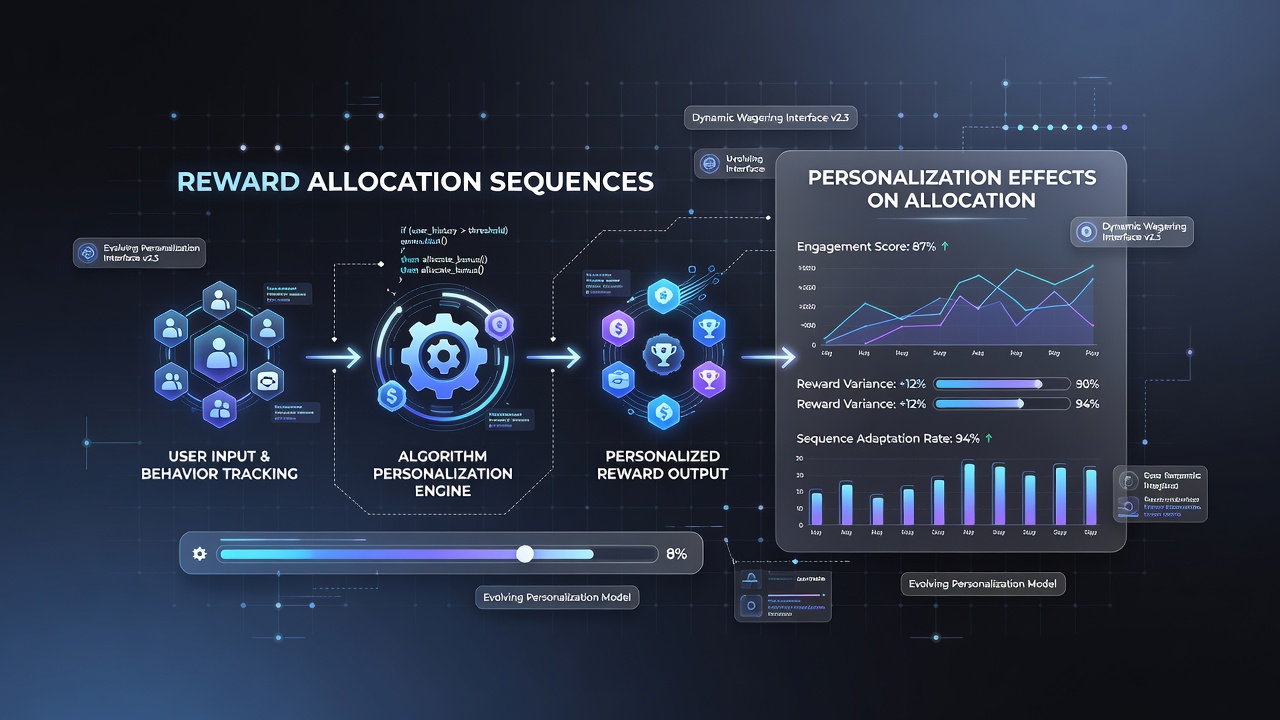
Sequence mapping reveals that personalized systems frequently front-load smaller rewards to build momentum before introducing larger tiered bonuses, whereas non-personalized interfaces tend to follow fixed calendars. Data compiled through 2025 and into August 2026 demonstrates that players exposed to algorithm-sequenced rewards complete an average of 12 percent more loyalty milestones compared with those receiving static promotions, according to aggregated platform analytics shared at industry conferences.
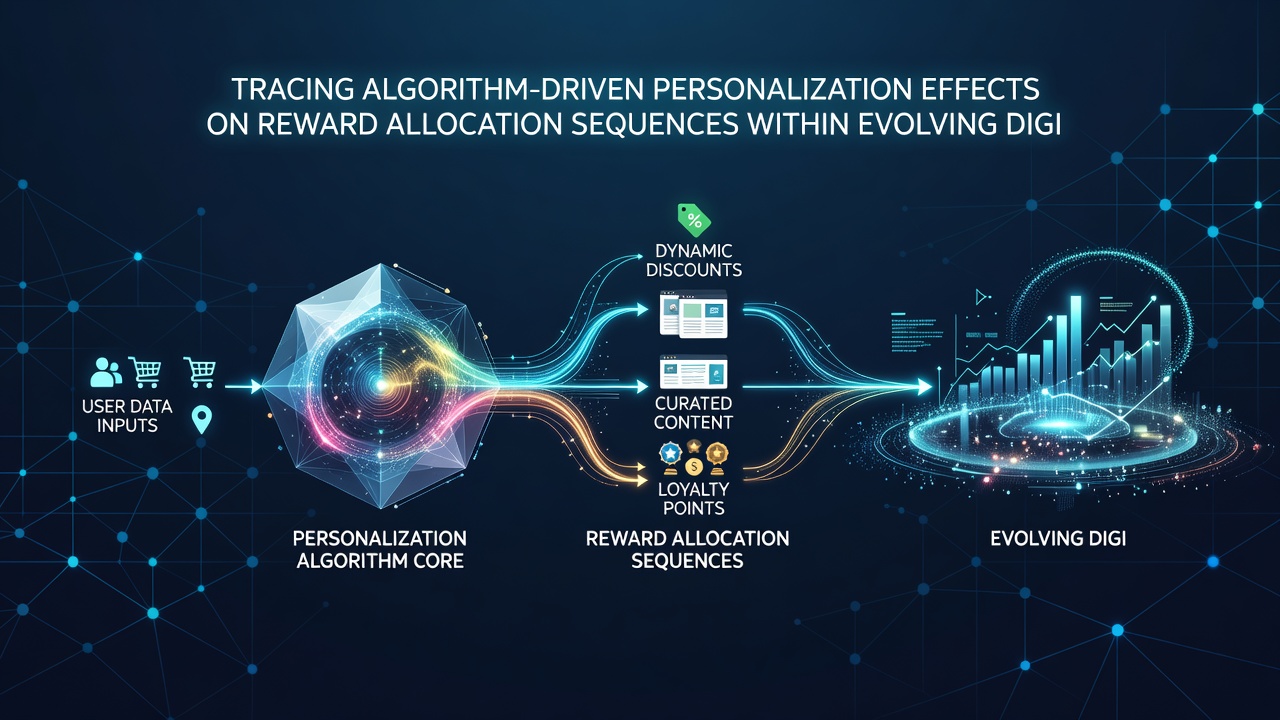
One pattern documented in multiple studies involves the insertion of surprise micro-rewards after periods of reduced activity, which algorithms identify through drops in login frequency or bet volume. These interventions appear designed to interrupt potential churn points, and allocation records show they often precede larger personalized offers that align with the user's historical preferences for game type or wager size.
Interface Evolution and Data Integration
Modern wagering interfaces integrate these algorithms directly into the user dashboard, where progress bars and reward previews update without requiring page reloads. Developers have incorporated predictive elements that display probable next rewards based on current behavior trajectories, and this transparency has grown more common since regulatory bodies in several jurisdictions began requiring clearer disclosure of promotional mechanics. The Interprovincial Gaming Association published findings in early 2026 noting increased use of such predictive displays across mobile platforms operating in regulated markets.
Cross-device synchronization ensures that reward sequences remain consistent whether a user switches from desktop to smartphone, although slight variations occur when location data triggers regional compliance filters. European operators have reported similar patterns in reports submitted to the Australian Gambling Research Centre, which tracks how interface changes affect allocation timing across borders.
Measurement Challenges and Observed Outcomes
Quantifying the precise impact of personalization remains complex because multiple variables influence player behavior simultaneously. Researchers track metrics such as reward redemption rates, sequence completion times, and subsequent deposit patterns, yet isolating algorithm effects requires controlled A/B testing that many platforms conduct internally. Figures released in mid-2026 show that platforms using advanced sequencing achieve higher average session values, but the extent attributable solely to personalization continues to require further segmented analysis.
Those examining allocation logs across large datasets observe that reward sequences become more granular over time, incorporating elements like time-limited multipliers or game-specific credits that respond to individual play histories. This granularity produces distinct reward pathways that evolve as user profiles mature, creating feedback loops where successful sequences reinforce the algorithm's future recommendations.
Conclusion
Algorithm-driven personalization continues to influence reward allocation sequences across evolving digital wagering interfaces by processing behavioral data to generate individualized pathways. Evidence from regulatory filings and academic reviews indicates measurable shifts in how rewards are timed and structured, with outcomes visible in player progression metrics tracked through August 2026 and beyond. Ongoing research focuses on refining these models while maintaining compliance with disclosure standards in multiple jurisdictions.