
Sweepstakes Casino Operators Adjust to New State-Level Restrictions in 2026
California Prohibition Takes Effect at the Start of the Year
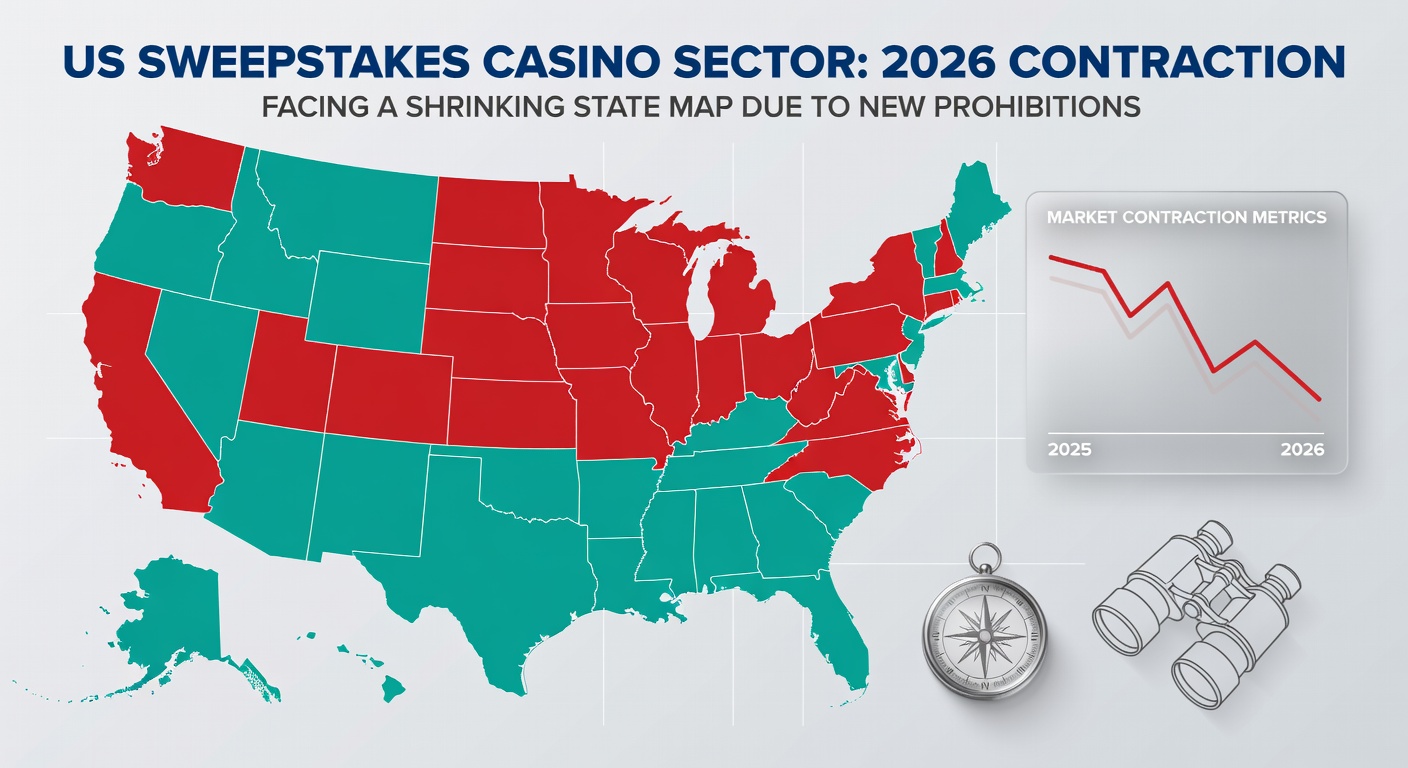
California’s Assembly Bill 831 went into force on January 1 2026 and removed an estimated one-fifth of national sweepstakes casino revenue from the market while operators began reassessing their geographic footprint across remaining states. The legislation targets the dual-currency model that has defined much of the sector and forces companies to either exit the state entirely or redesign product offerings to comply with the new rules. Data from industry tracking services indicate that several major platforms halted new user acquisition in California weeks before the effective date to avoid potential enforcement actions.
Indiana followed with House Bill 1052 which takes effect on July 1 2026 and adds another layer of restriction for operators who still held active sweepstakes casino traffic in that jurisdiction. Observers note that the combined effect of these two measures has accelerated a broader contraction of the state map available to sweepstakes platforms and has prompted rapid strategic shifts among the largest players. Virtual Gaming Worlds which operates Chumba Casino and additional brands announced it would cease all sweepstakes operations in both states rather than attempt to modify its core mechanics.
Operator Exits and Brand Portfolio Changes
VGW’s decision to withdraw from California and Indiana reflects a pattern seen across multiple operators who have chosen to limit exposure rather than navigate ongoing litigation or regulatory scrutiny. The company simultaneously introduced Just Slots a new brand that operates without the dual-coin system previously central to its sweepstakes model. This move allows continued presence in states where traditional sweepstakes mechanics face prohibition while avoiding the legal risks associated with the older format. Industry reports show that similar non-dual-coin products have appeared from other providers as they seek to retain market share in jurisdictions that remain open.
Payment rail adjustments have accompanied these product changes as operators explore alternative deposit and withdrawal methods that align with evolving compliance expectations. Companies have tested new processors and adjusted internal controls to address concerns raised during recent enforcement discussions. Those who have monitored the sector note that these infrastructure updates often occur in parallel with marketing strategy revisions aimed at emphasizing skill-based or single-currency gameplay elements.
Marketing and Compliance Adaptations Through Mid-2026
By May 2026 the effects of the California prohibition had already become visible in quarterly traffic data while Indiana operators prepared for the July deadline. Marketing teams shifted budgets toward states with clearer regulatory pathways and began testing messaging that highlights compliance features rather than bonus structures tied to the dual-currency model. Research from gaming analytics firms indicates that user acquisition costs rose in several remaining states as competition intensified among operators seeking to offset lost California revenue.
Litigation pressure has continued in parallel with legislative changes and several operators have faced ongoing court proceedings that examine the legality of sweepstakes mechanics under existing consumer protection statutes. These cases have encouraged companies to document compliance procedures more rigorously and to maintain detailed records of how promotional currency is distributed and redeemed. External counsel for multiple platforms have advised clients to monitor both federal and state-level developments through the remainder of 2026.
Revenue Reallocation and Market Response
Industry estimates suggest that the loss of California volume prompted operators to accelerate expansion plans in states where sweepstakes activity remains permissible and to explore partnerships with land-based gaming entities that already hold licenses. Some platforms have reported reallocating development resources toward mobile optimization and loyalty programs that do not rely on the prohibited mechanics. According to California legislative records the text of Assembly Bill 831 explicitly addresses the use of sweepstakes entries in connection with online casino-style games and establishes civil penalties for violations.
Additional states have signaled interest in similar legislation and trade associations have begun circulating model regulatory language that could influence future proposals. Those tracking these developments point out that the pace of change has required operators to maintain flexible technology stacks capable of supporting both traditional sweepstakes products and newer single-currency alternatives. Data compiled by research groups show that user retention rates in unaffected states improved slightly after operators introduced the revised brands.
Conclusion
The regulatory developments in California and Indiana have produced measurable contraction in the sweepstakes casino sector during the first half of 2026 and have driven concrete operational changes among leading companies. VGW’s exit from the two states along with the launch of Just Slots and adjustments to marketing and payment systems illustrate the range of responses currently underway. Additional legislative activity expected later in the year will likely continue to shape available markets and product design choices for operators who remain active in the space.