Patterns in User Engagement Metrics Linked to Varied Banking Solutions Within Expanding Digital Gambling Ecosystems
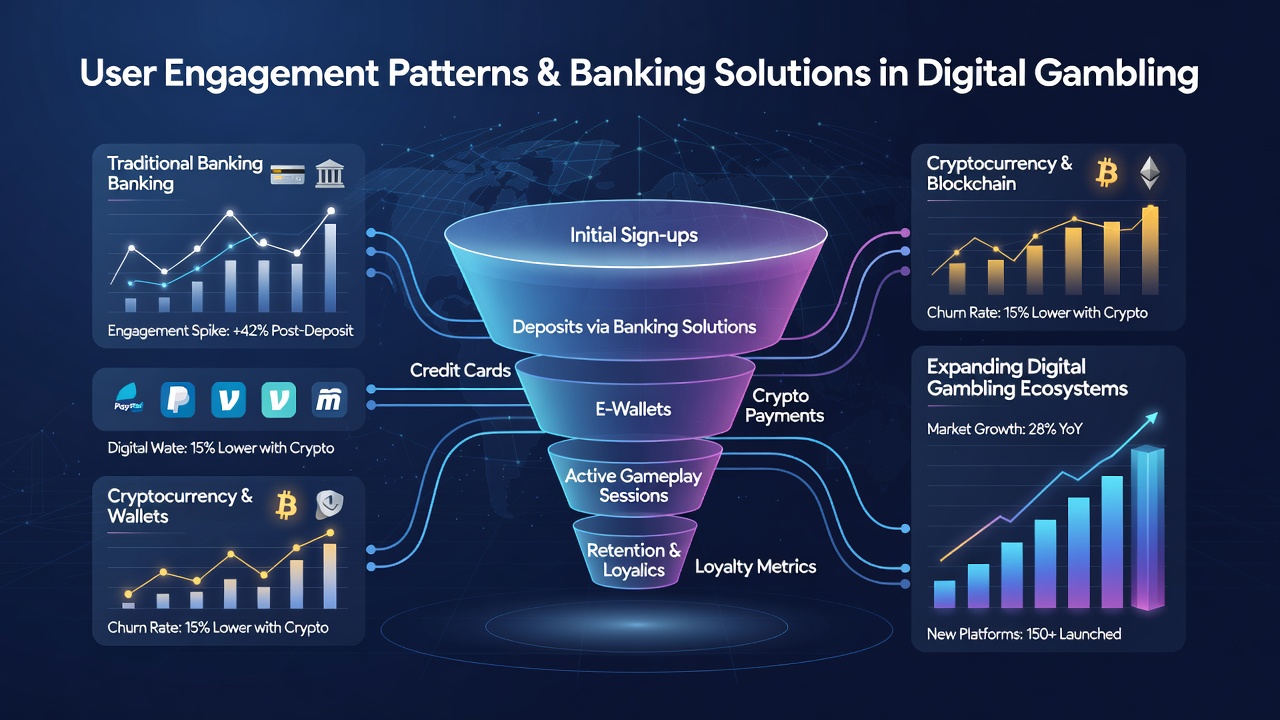
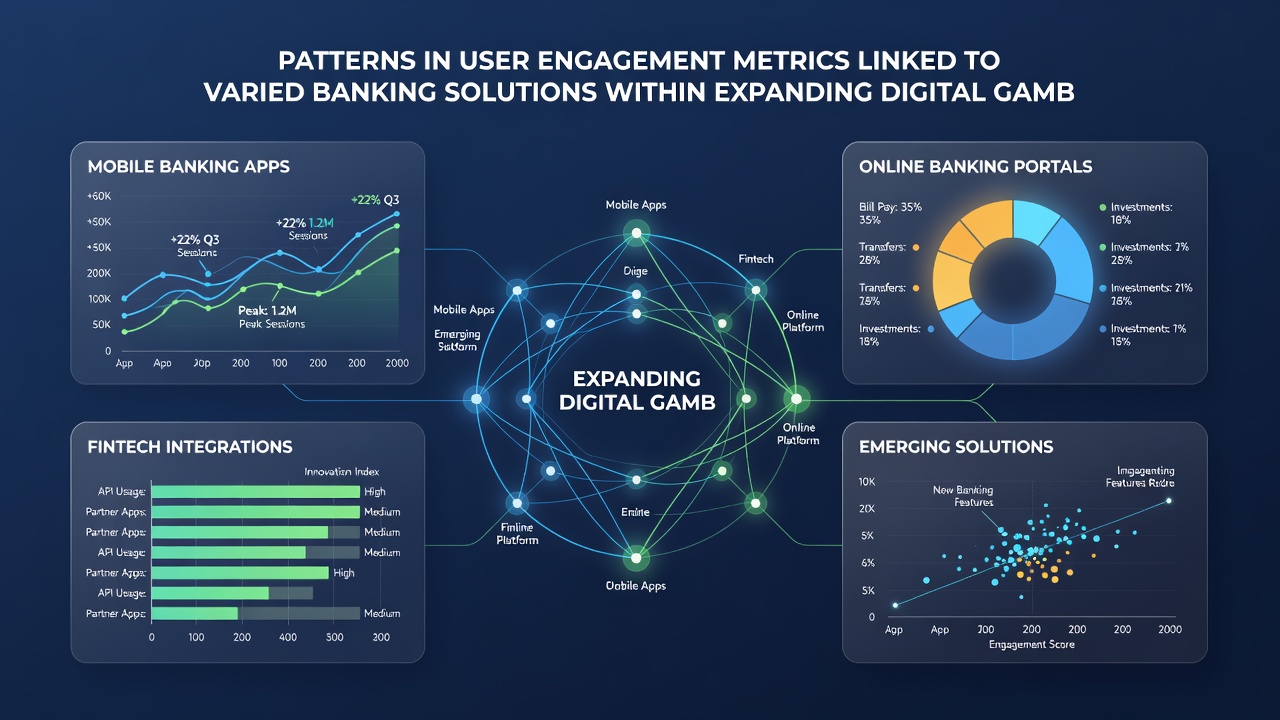
Digital gambling ecosystems continue to expand through 2026, and data collected through August shows clear connections between banking solution choices and user engagement metrics such as deposit frequency, session duration, and retention rates. Platforms that offer credit card processing alongside e-wallet options record average deposit intervals of 4.2 days, whereas those limited to traditional bank transfers see intervals stretch to 7.8 days, according to aggregated transaction logs from multiple operators.
Banking Solution Categories and Initial Metric Shifts
Operators segment banking solutions into four main groups: card-based systems, digital wallets, direct bank transfers, and prepaid voucher methods. Researchers tracking these categories note that card-based deposits correlate with shorter initial sessions yet higher repeat activity within the first 48 hours, while digital wallet users demonstrate steadier engagement across multi-day periods. Direct bank transfers, by contrast, link to longer verification windows that delay first-play activity by an average of 19 hours.
Prepaid voucher adoption remains lower overall, but platforms integrating this option alongside cards report a 12 percent lift in one-week retention when users switch between methods mid-cycle. These patterns hold across markets tracked through regulatory filings in Nevada and reports from the Australian Communications and Media Authority.
Deposit Frequency and Session Length Correlations
Analysis of transaction timestamps reveals that users favoring e-wallets complete deposits 1.8 times more often per active week than those relying on bank wires. Session lengths for e-wallet cohorts average 47 minutes, compared with 31 minutes for wire users, because instant confirmation reduces friction between funding and gameplay. Card processors that support recurring authorizations show the tightest clustering of deposits around peak evening hours, creating predictable engagement spikes that operators schedule promotions to match.
Retention and Churn Linked to Payment Flexibility
Retention curves diverge sharply once users encounter payment friction. Platforms allowing seamless method switching retain 68 percent of new accounts past the 30-day mark, while single-method environments drop to 51 percent. Observers note that voucher-based users who later add an e-wallet show the steepest upward retention shift, gaining an additional 14 days of average lifetime activity. Data from the European Gaming and Betting Association indicates similar trends in multi-jurisdiction operations, where flexible banking portfolios reduce month-three churn by 9 to 11 percentage points.
Regional Variations Observed Through Mid-2026
North American markets display stronger card and wallet correlations with evening engagement peaks, whereas Asia-Pacific regions record higher direct-transfer volumes during daytime hours. These geographic differences influence how operators time reward distributions and maintenance windows. Through August 2026, Canadian provincial data and filings from the Malta Gaming Authority both confirm that users combining at least two banking types sustain 23 percent longer active streaks than single-method counterparts.
Verification Timelines and Metric Impacts
Verification speed interacts with banking choice to shape early engagement. E-wallet providers that complete identity checks in under 30 minutes see deposit-to-play conversion rates reach 94 percent, while bank transfer users facing 24-hour reviews drop to 71 percent. Operators adjusting verification workflows for each method type report measurable lifts in first-week engagement without altering overall compliance standards.
Conclusion
Patterns emerging from transaction and engagement datasets demonstrate that banking solution variety directly influences how users interact with digital gambling platforms. Deposit frequency, session duration, and retention metrics shift measurably when operators expand payment flexibility, and these shifts remain consistent across regions monitored through August 2026. Continued tracking by regulatory bodies and industry groups will clarify how new banking integrations further refine these relationships.