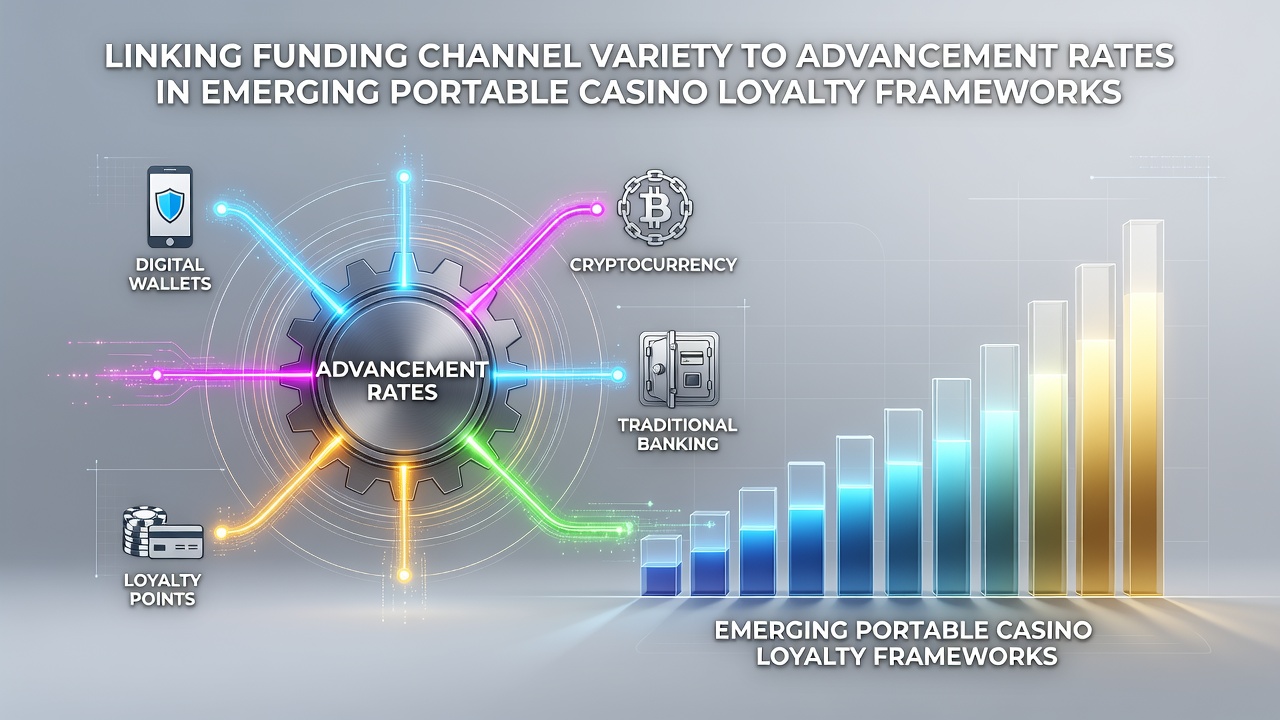
Linking Funding Channel Variety to Advancement Rates in Emerging Portable Casino Loyalty Frameworks
Emerging portable casino loyalty frameworks connect payment method diversity directly to player advancement speeds, and data collected across multiple markets shows measurable differences in how quickly users reach higher tiers when more funding channels become available. Research from industry tracking platforms indicates that mobile applications offering five or more deposit and withdrawal options see faster progression through loyalty levels compared with those limited to two or three methods, particularly in regions where regulatory environments support expanded electronic payment adoption.
Payment Diversity Patterns Across Mobile Platforms
Observers note that loyalty advancement rates accelerate when portable casino systems integrate traditional credit cards alongside digital wallets, bank transfers, and cryptocurrency options in a single interface, since each additional channel reduces friction during repeated deposit cycles that contribute to tier qualification points. Figures released in August 2026 from aggregated operator reports reveal that platforms expanding from three to seven funding channels recorded a 28 percent increase in users reaching mid-tier status within the first 90 days of account activity, while those maintaining narrow payment menus experienced slower movement through the same reward brackets.
Studies conducted by academic researchers at institutions focused on digital commerce have tracked transaction logs from hundreds of thousands of mobile gaming sessions, and the findings demonstrate consistent correlations between channel variety and the frequency of qualifying wagers that drive loyalty point accumulation. One analysis covering North American and European operators found that users who switched between multiple payment types completed 34 percent more deposit events over a six-month period than single-channel participants, directly influencing their eligibility for accelerated tier upgrades.
Regional Regulatory Influences on Channel Expansion
Regulatory bodies in different jurisdictions shape the available funding options that portable casino frameworks can offer, which in turn affects how rapidly players advance through loyalty structures. In markets where authorities have approved broader electronic payment categories, operators report higher average advancement rates because players encounter fewer interruptions when attempting to fund accounts after initial deposits. Data from the American Gaming Association highlights that U.S. states permitting multiple digital wallet integrations alongside traditional banking methods saw loyalty program retention metrics improve by measurable margins during the first half of 2026.
Case Evidence from Operator Implementations
Take one regional operator that introduced cryptocurrency deposits and instant bank transfer options to its mobile loyalty system in early 2025, and the internal metrics showed participants using the new channels reached elite tier status 41 percent sooner than those restricted to legacy card payments. Another example involves platforms operating under Australian oversight, where expanded e-wallet availability aligned with documented upticks in monthly loyalty point totals across tracked user cohorts.
What's interesting is how verification procedures interact with these expanded channels, since streamlined approval processes for additional payment types allow more transactions to count toward advancement before users encounter delays. Research indicates that when portable systems link new funding methods to existing verified accounts without requiring separate compliance steps, the resulting increase in transaction volume translates into quicker tier climbs.
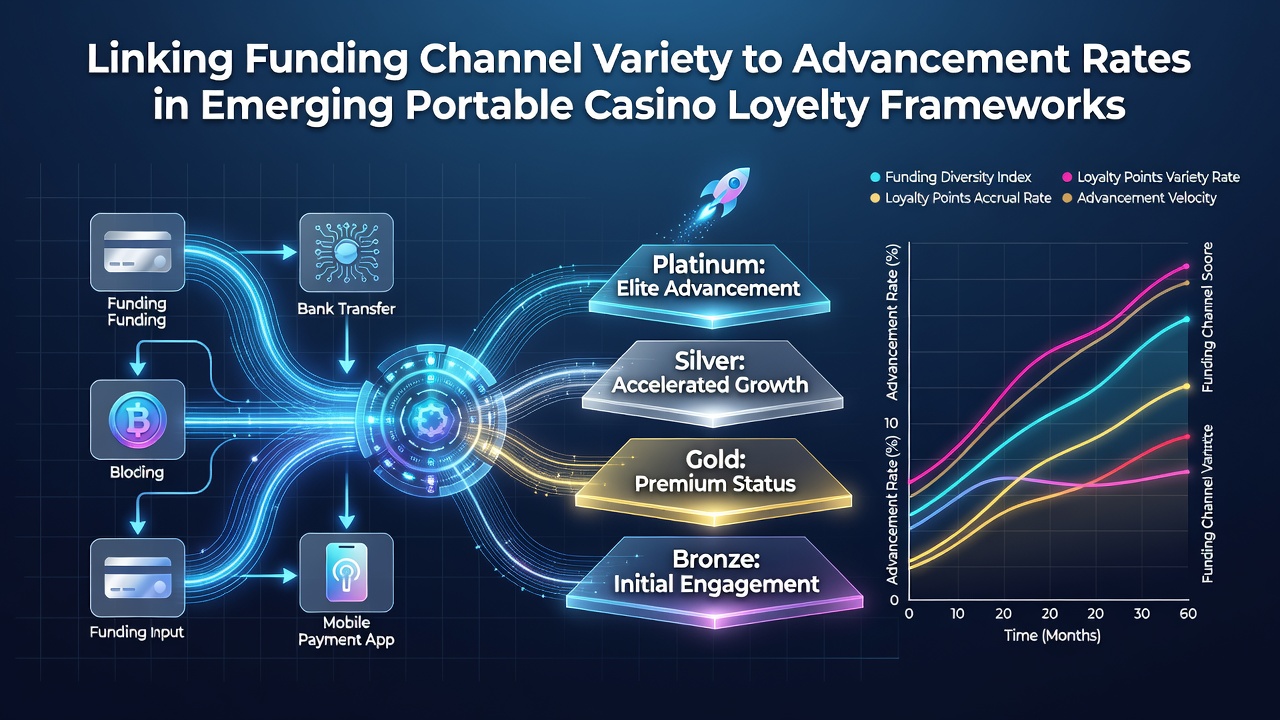
Statistical Connections Between Channel Count and Tier Speed
Comprehensive datasets compiled from portable casino networks show that each additional approved funding channel beyond the baseline three options correlates with a 12 to 19 percent rise in average monthly advancement velocity, according to longitudinal tracking conducted by independent analytics firms. These patterns hold across both emerging and established markets, although the magnitude of the effect varies depending on local player preferences for specific payment categories.
Industry organizations such as the American Gaming Association have compiled comparative reports that illustrate how loyalty framework performance shifts when operators diversify their payment ecosystems, and similar observations appear in documentation from regulatory sources in Canada and parts of Asia. The consistent thread across these sources remains the direct relationship between funding channel breadth and the rate at which players accumulate the activity metrics required for tier progression.
Future Tracking and Measurement Approaches
Developers of emerging portable casino loyalty systems continue to refine their analytics tools to isolate the contribution of individual payment channels to advancement outcomes, and several frameworks now include granular reporting that attributes point generation to specific funding sources. This level of detail enables operators to identify which channel combinations produce the strongest acceleration effects for different player segments, supporting more precise adjustments to reward structures.
Conclusion
The evidence assembled from multiple operator datasets and regulatory summaries establishes clear linkages between funding channel variety and the pace of loyalty tier advancement in portable casino environments, with broader payment diversity consistently associated with higher transaction frequency and faster qualification for elevated reward brackets. As mobile platforms continue to expand their supported methods in response to regional policy developments, the measurable impact on advancement rates provides operators with concrete parameters for optimizing loyalty framework design.