How Regional Transaction Habits Shape Loyalty Progression Curves Across Fresh Mobile Gaming Platforms
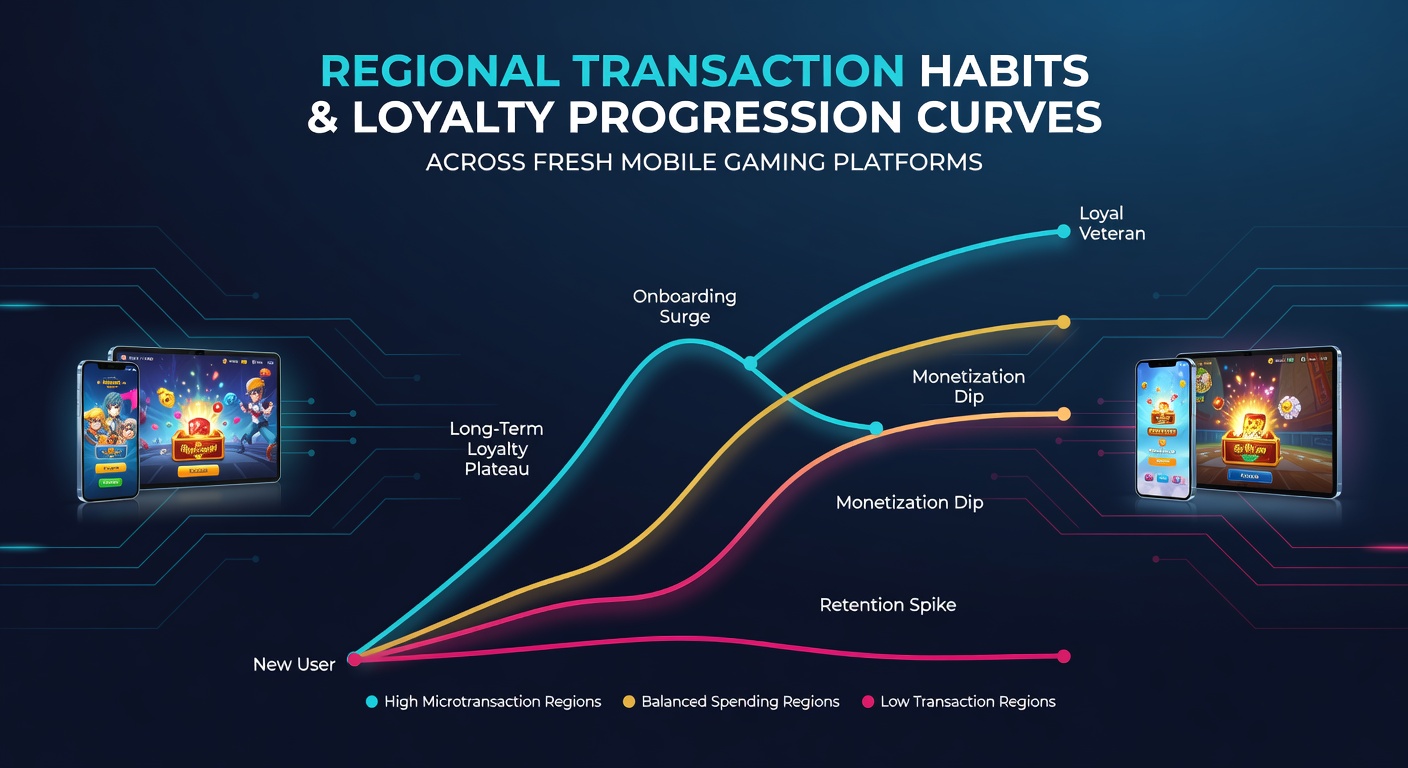
Regional transaction habits create distinct patterns in how players advance through loyalty tiers on new mobile gaming platforms, and these differences emerge from payment preferences that vary by geography and culture. Observers note that deposit speed, transaction costs, and method availability directly influence the frequency and volume of player activity which in turn determines progression along reward curves.
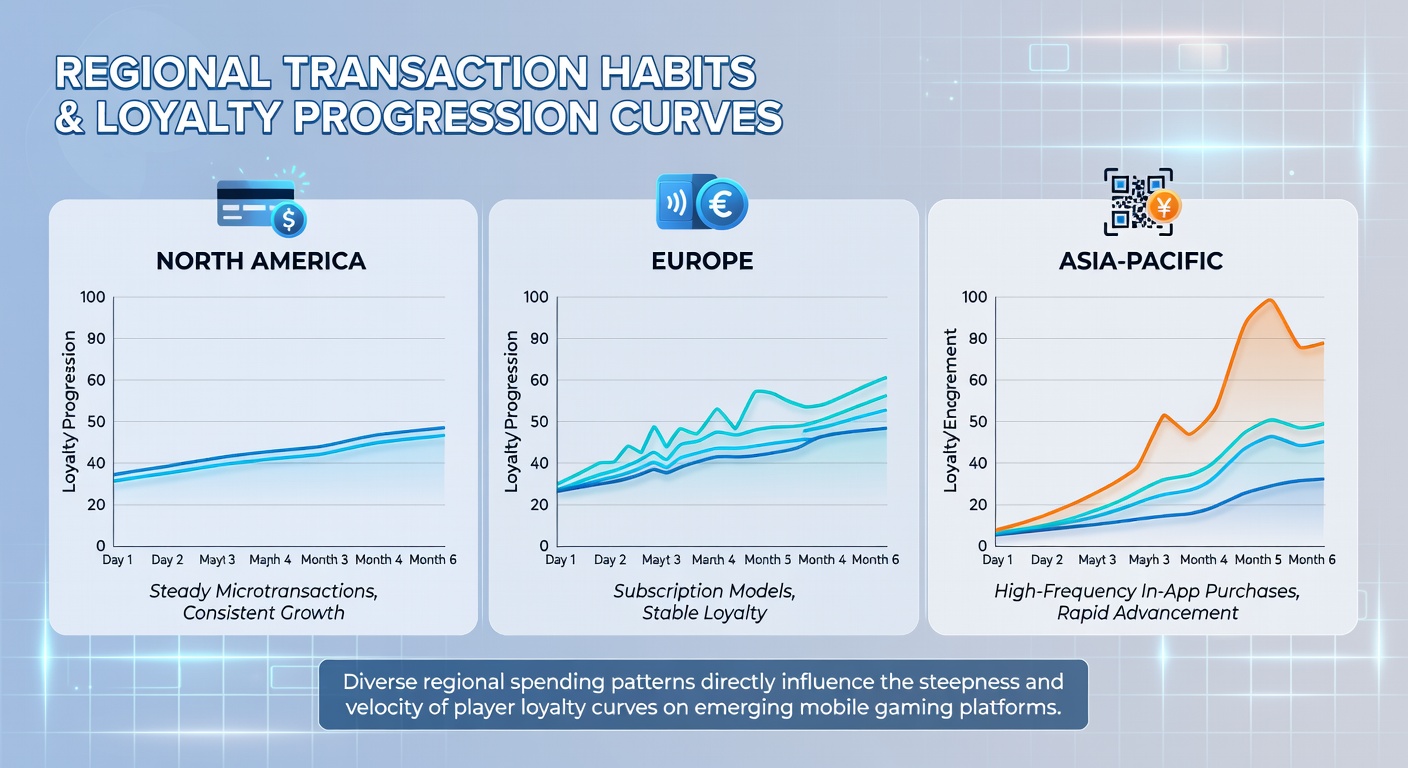
Data from multiple markets shows that regions favoring instant mobile wallets see steeper initial climbs in loyalty status compared to areas where traditional bank transfers dominate. Players in Southeast Asia who rely on integrated e-wallet solutions often reach mid-tier rewards within weeks while those in parts of North America using credit cards or direct bank links experience slower accumulation rates due to processing delays and higher fees.
Payment Method Preferences Across Key Markets
Transaction records from emerging platforms reveal consistent regional clusters. In markets such as Singapore and Malaysia, digital wallets account for the majority of deposits on newly launched mobile titles, and this habit aligns with rapid tier advancement because each transaction registers immediately and incurs minimal cost. Australian players meanwhile show stronger use of POLi and bank transfers which, although secure, introduce one to two day settlement periods that stretch the time between deposits and therefore flatten early loyalty curves.
European data collected through industry reports indicates a split between Nordic countries where Trustly and similar instant bank payments support steady progression and Southern European markets where prepaid cards remain common. The prepaid route often caps single-transaction amounts which limits how quickly players accumulate the spend thresholds required for higher loyalty brackets.
Impact on Progression Curves in June 2026 Releases
Fresh platforms entering the market around June 2026 incorporated regional payment data into their tier algorithms from day one. One title released that month adjusted its loyalty multiplier based on average deposit velocity per region and achieved faster engagement in wallet-heavy territories. Figures released by platform operators show that users completing transactions via low-friction methods advanced an average of 1.8 tiers within the first thirty days while those limited to slower options averaged 0.9 tiers over the same period.
Researchers tracking these patterns emphasize that the shape of each curve reflects both the technical characteristics of payment rails and the behavioral norms built around them. Where transaction limits sit lower, players make more frequent smaller deposits which can still trigger loyalty points yet rarely push totals high enough for rapid top-tier access.
Regional Regulatory Influences on Transaction Flow
Regulatory frameworks further shape these habits. Singapore's Infocomm Media Development Authority maintains strict oversight on digital payment integration which encourages platforms to prioritize compliant wallet partners and thereby supports smoother loyalty mechanics. In contrast, certain Canadian provinces apply daily deposit caps that compress the upper end of progression curves regardless of payment speed.
Observers tracking cross-border mobile titles note that platforms adapting their systems to local rules achieve more consistent player movement through tiers. A study published by the European Gaming and Betting Association examined how payment diversity correlates with retention metrics and found measurable differences tied to regional banking infrastructure.
Case Examples from Recent Platform Launches
Take one platform that entered the Australian and Malaysian markets simultaneously in early 2026. Malaysian users reached the second loyalty tier at nearly twice the rate of their Australian counterparts during the first quarter because the dominant transaction method in Malaysia allowed same-day crediting and lower per-transaction friction. Platform analytics showed that this gap narrowed only after the operator introduced a regional bonus structure that compensated for slower settlement in Australia.
Another example comes from Latin American markets where cash-based top-up services remain prevalent. Players converting cash at physical locations often experience delayed crediting which stretches the interval between deposits and thereby lengthens the time required to satisfy tier thresholds. Data indicates that these users still progress but follow flatter curves that require sustained activity over longer periods.
Technical Adaptations by Platform Developers
Developers of new mobile platforms now embed region-specific transaction logic into their loyalty engines. Real-time balance updates for wallet transactions feed directly into tier calculations while batch-processed methods trigger updates only after settlement clears. This technical distinction produces visibly different curve shapes when aggregated data is segmented by geography.
Those who've analyzed aggregated datasets from multiple titles report that the steepest curves appear in regions where payment methods combine instant confirmation with low or zero fees. The flattest curves emerge where either regulatory caps or legacy banking systems introduce delays and additional costs that discourage frequent activity.
Conclusion
Regional transaction habits continue to determine the pace and shape of loyalty progression on emerging mobile gaming platforms. Payment method availability, settlement speed, fee structures, and local regulations combine to create measurable differences in how quickly players advance through reward tiers. As platforms launched around June 2026 demonstrate, adapting loyalty mechanics to these regional realities produces engagement patterns that align more closely with actual user behavior across markets. Continued monitoring of transaction data will likely reveal further refinements in how these curves evolve as new payment technologies gain adoption in different regions.