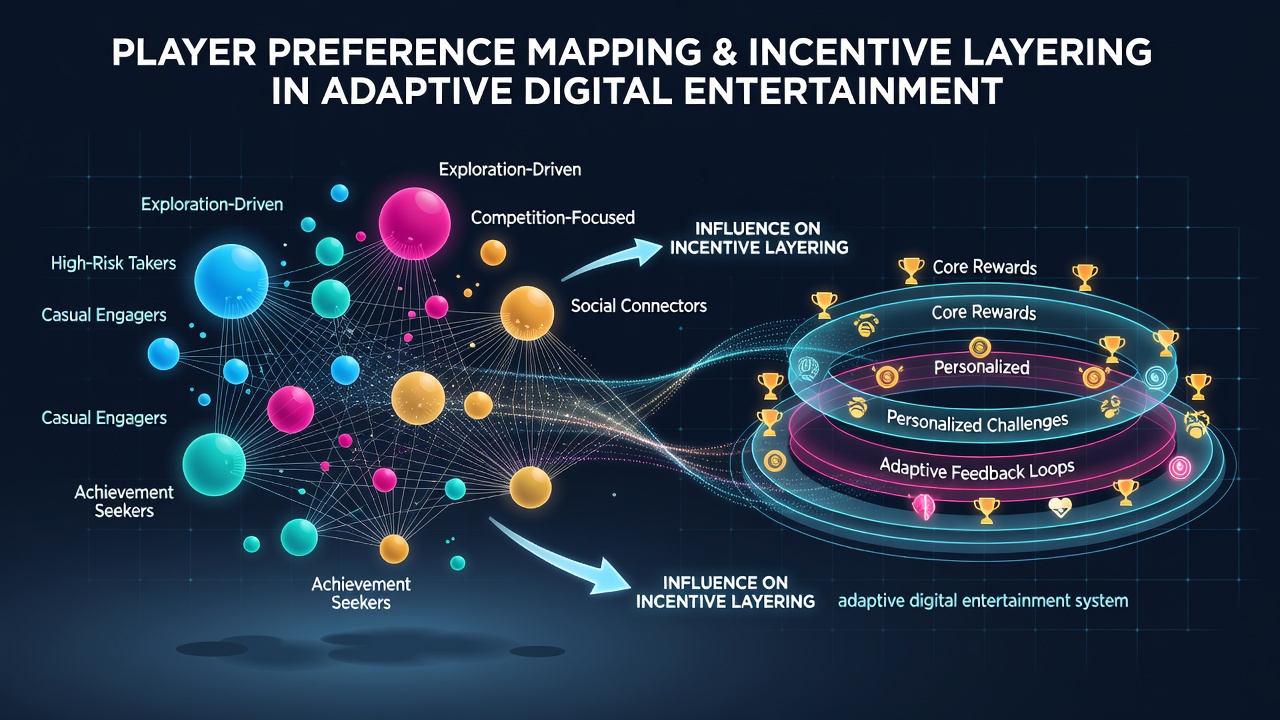
How Player Preference Mapping Through Data Clusters Influences Incentive Layering Strategies in Adaptive Digital Entertainment Systems
Player preference mapping through data clusters has become a core mechanism in adaptive digital entertainment systems where operators segment users based on behavioral patterns and then apply targeted incentive structures. Researchers at institutions tracking engagement metrics note that clustering algorithms group participants by variables such as session duration, game type selection, and transaction frequency, allowing platforms to layer rewards in sequences that match observed habits rather than applying uniform promotions across all accounts.
Data Clustering Methods in Entertainment Platforms
Analysts apply unsupervised machine learning techniques to large datasets collected from mobile and desktop interfaces, and these methods identify distinct groups without predefined labels. One cluster might contain users who favor short, high-frequency sessions while another groups those who engage in extended play during specific hours. Platforms then test incentive variations within each cluster to measure response rates, and reports from industry monitoring groups indicate that such segmentation improves retention signals compared with non-clustered approaches.
By July 2026 several operators had integrated real-time cluster updates that refresh groupings daily, and this adjustment allows incentive layering to shift when a user's behavior moves from one cluster to another. Data from European digital media research centers shows that platforms using daily refreshes recorded measurable changes in reward redemption patterns within weeks of implementation.
Incentive Layering Techniques Driven by Cluster Insights
Layering strategies typically begin with entry-level rewards calibrated to a cluster's average spend threshold, then progress to deeper incentives such as multiplier bonuses or exclusive access once certain activity milestones appear. Observers note that operators sequence these layers so early rewards encourage continued participation while later layers activate only after cluster-specific patterns emerge, such as repeated deposits within a defined window.
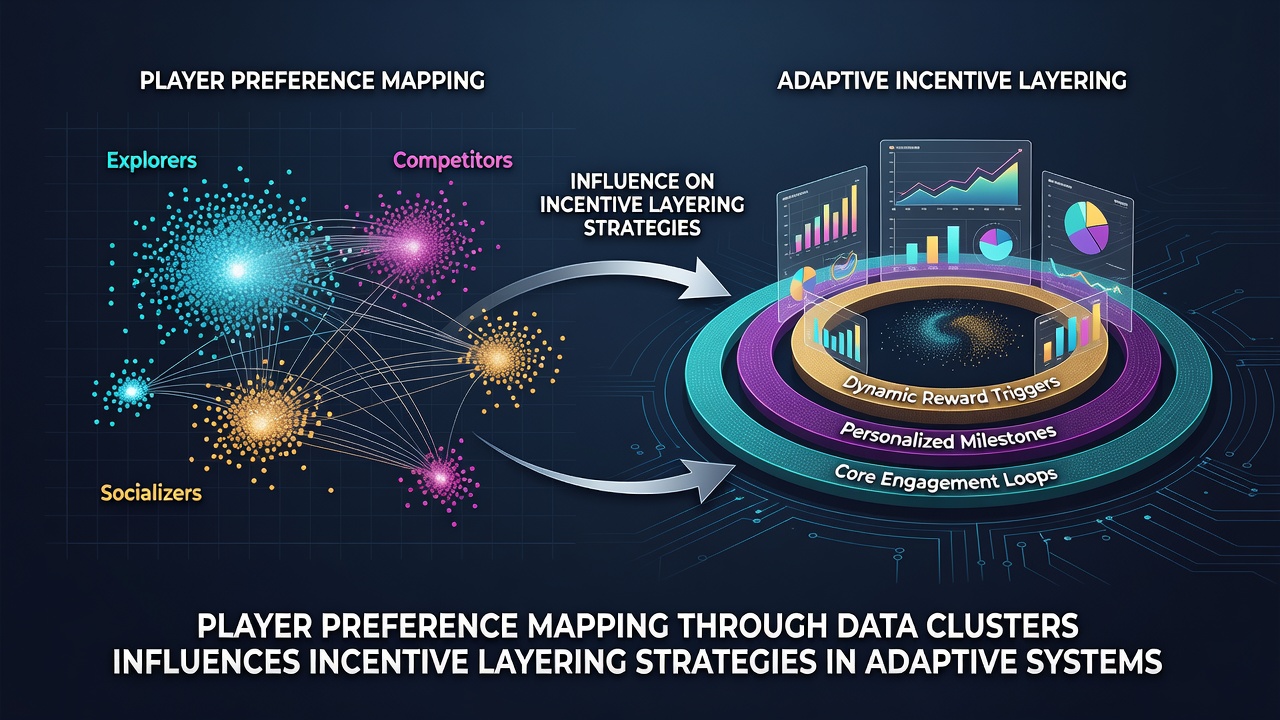
Studies conducted by North American academic teams found that matching incentive depth to cluster velocity, defined as the rate of activity change within the group, produced higher engagement continuity than static reward schedules. Systems therefore adjust layer timing dynamically, and this practice connects directly to the preference maps generated from transaction and play logs.
Regional Variations and Regulatory Context in 2026
Operators in different jurisdictions adapt cluster-based layering to local transaction norms, and figures released by Canadian provincial regulators highlight how deposit method preferences influence which incentives appear first in a player's sequence. In Australia, industry associations have documented similar adaptations where time-of-day clusters determine when promotional credits activate, and these adjustments align with observed regional play rhythms.
Academic papers from Australian universities examining 2025-2026 datasets reveal that cross-cluster incentive migration, where users receive offers drawn from adjacent groups, can accelerate progression through loyalty structures when executed with precise timing. Platforms therefore maintain multiple layering templates that activate based on cluster proximity scores rather than single-group assignments.
Integration of Verification and Redemption Data
Verification timelines feed into cluster definitions because users who complete identity checks quickly often fall into higher-engagement groups, and platforms respond by advancing those accounts to deeper incentive layers sooner. Research summaries from regulatory bodies in Asia indicate that shorter verification windows correlate with faster uptake of layered rewards, prompting operators to streamline processes for clusters showing rapid activity patterns.
Redemption rate tracking further refines layering because clusters with lower conversion on certain reward types trigger alternative incentive structures, and this feedback loop operates continuously within adaptive systems. Data released through industry consortium reports in mid-2026 showed operators adjusting layer composition monthly based on these aggregated redemption metrics.
Conclusion
Player preference mapping through data clusters continues to shape how adaptive digital entertainment systems construct and sequence incentives, with operators relying on behavioral segmentation to determine reward timing and depth. As platforms refine cluster refresh rates and incorporate regional transaction data, incentive layering becomes more responsive to individual movement across groups, and this evolution remains tied to measurable engagement indicators collected across multiple jurisdictions.