
Feedback Loops Driving Incentive Structures in Modern Mobile Casino Networks
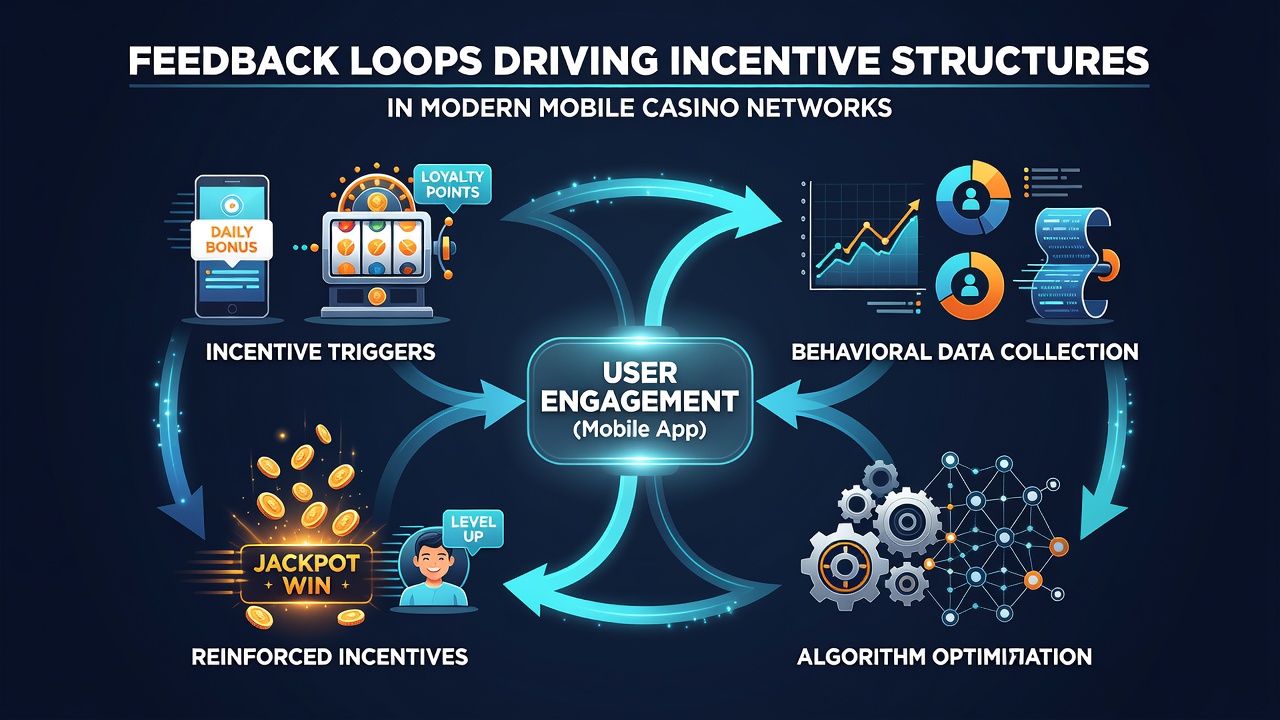
Modern mobile casino networks operate through continuous cycles where player actions generate data that directly shapes subsequent incentive offers and this process creates self-reinforcing patterns across global platforms. Researchers tracking these systems note that deposit frequency, session duration, and game selection feed into algorithms that recalibrate bonus structures within hours or days while the same mechanisms track redemption rates to refine future promotions.
Core Components of Data-Driven Cycles
Operators collect telemetry from portable devices including location signals, device type, and interaction timestamps then route this information into centralized analytics engines. These engines identify clusters of similar behavior patterns and generate tiered reward proposals that appear in user interfaces shortly after the initial activity. One study released in early 2026 documented how a single deposit event could trigger up to three sequential bonus variants within forty-eight hours depending on concurrent play metrics.
Verification procedures integrate into these cycles because faster identity confirmation correlates with higher promotion uptake according to aggregated operator reports. Platforms that shorten verification windows observe quicker movement of players into loyalty tiers which in turn supplies richer datasets for the next iteration of incentive design. This creates measurable acceleration in reward redemption velocity across multiple regions.
Regional Variations in Loop Dynamics
Transaction preferences differ markedly by jurisdiction and these differences propagate through the feedback mechanisms. In markets where e-wallet adoption exceeds seventy percent, networks adjust cashback percentages more aggressively than in regions dominated by card payments. Figures from the Alcohol and Gaming Commission of Ontario reveal that platforms incorporating local payment norms into their algorithms achieve faster progression of users through loyalty levels compared with those using uniform global templates.
Seasonal migration patterns also influence the loops because players shifting between devices or geographies generate new data points that prompt incentive recalibration. Observers tracking activity in June 2026 recorded elevated bonus deployment in coastal markets during holiday periods while inland platforms emphasized retention offers tied to consistent daily logins.
Integration with Loyalty Progression
Loyalty structures evolve through repeated measurement of engagement signals rather than static thresholds. When a cohort demonstrates elevated play after receiving time-limited free spins, the system increases the frequency of similar offers for comparable users. This adjustment loop operates continuously and researchers at institutions studying digital entertainment ecosystems have mapped how small changes in one segment propagate to adjacent user groups within the same network.
Cross-platform accessibility further amplifies these effects because seamless movement between phone, tablet, and desktop maintains consistent data streams. Networks that synchronize incentive visibility across devices report steadier retention curves and higher cumulative deposit volumes over quarterly periods. The European Gaming and Betting Association has published industry summaries indicating that unified reward presentation reduces drop-off between sessions by measurable margins.
Regulatory Influence on System Design
Regulatory frameworks in multiple jurisdictions require transparency around automated reward mechanisms and these requirements shape how feedback loops are implemented. Platforms must log the variables used to generate each personalized offer and retain records for audit purposes. Compliance teams therefore embed review checkpoints within the cycle so that rapid adjustments remain within permitted parameters while still responding to live player data.
Verification timelines intersect with these regulatory considerations because delayed checks can interrupt the momentum of incentive loops. Jurisdictions that mandate streamlined know-your-customer processes enable tighter integration between data collection and reward delivery which in turn supports more granular targeting without extending session gaps.
Conclusion
Feedback loops in mobile casino networks function as adaptive engines that translate behavioral signals into evolving incentive structures and the resulting systems operate across diverse regulatory landscapes with increasing precision. Data collected in June 2026 continues to illustrate how tightly coupled measurement and adjustment cycles sustain engagement patterns while meeting regional compliance standards. These mechanisms remain central to how portable platforms organize reward delivery and player progression across expanding global markets.