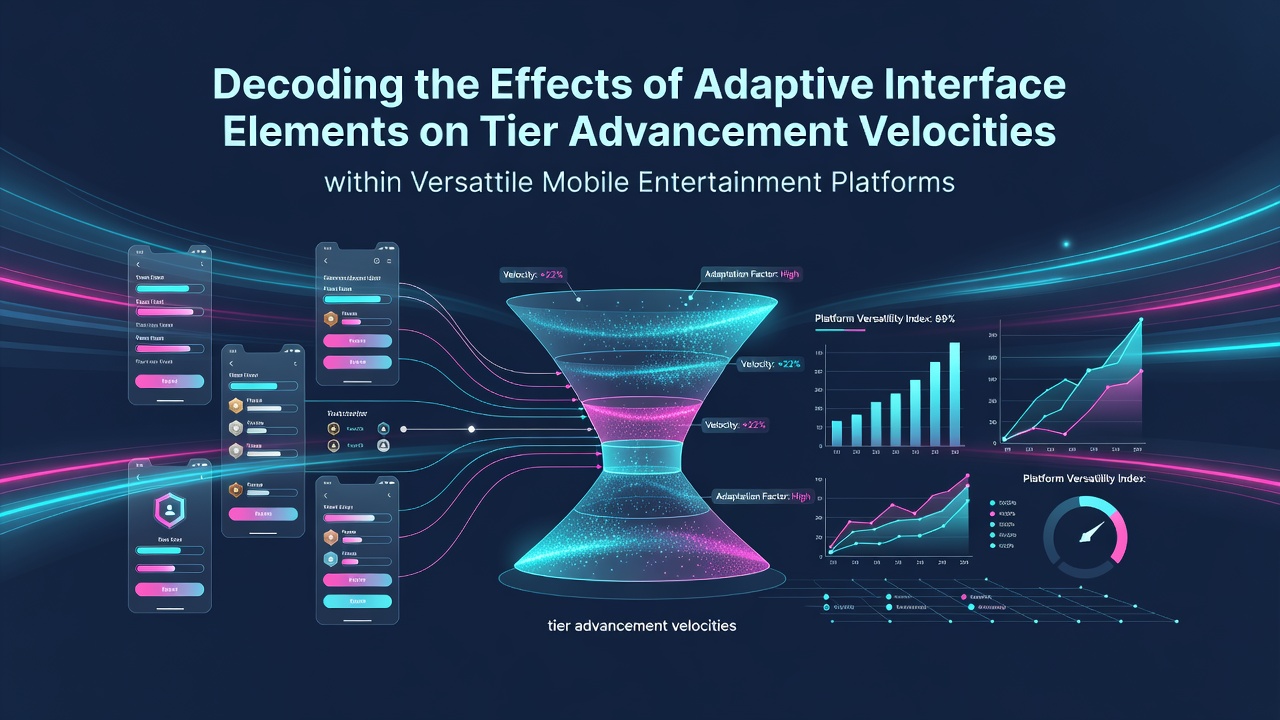
Decoding the Effects of Adaptive Interface Elements on Tier Advancement Velocities Within Versatile Mobile Entertainment Platforms
Adaptive interface elements in versatile mobile entertainment platforms adjust layouts, notifications, and navigation paths based on individual user patterns, and researchers have tracked how these adjustments alter the speed at which players reach higher loyalty tiers. Data collected across multiple operators shows that dynamic button placement and real-time progress indicators correlate with changes in session frequency and deposit consistency, both of which feed directly into tier calculations. Observers note that platforms incorporating machine-learning models to reorder menus according to past behavior record measurable differences in advancement rates compared with static designs.
Core Components of Adaptive Interfaces in Mobile Gaming
Developers deploy several distinct elements that respond to player data. Personalized progress bars display remaining requirements for the next tier in formats that shift from numerical counters to visual milestones when users approach thresholds. Push notification timing adapts to detected play windows, while menu hierarchies reorder to place frequently used game categories or deposit options at the top. Studies conducted by university gaming labs indicate that these modifications reduce the number of taps required to complete common actions, which in turn influences the volume of activity logged within each reporting period.
Operators integrate these features through backend systems that pull from aggregated session logs, device type, and historical transaction data. The systems then apply rule sets or algorithmic predictions to alter what appears on screen during subsequent logins. Figures released in industry reports from early 2026 illustrate that platforms updating these rules monthly achieve higher consistency in tier movement metrics than those making annual adjustments.
Measured Influence on Tier Advancement Rates
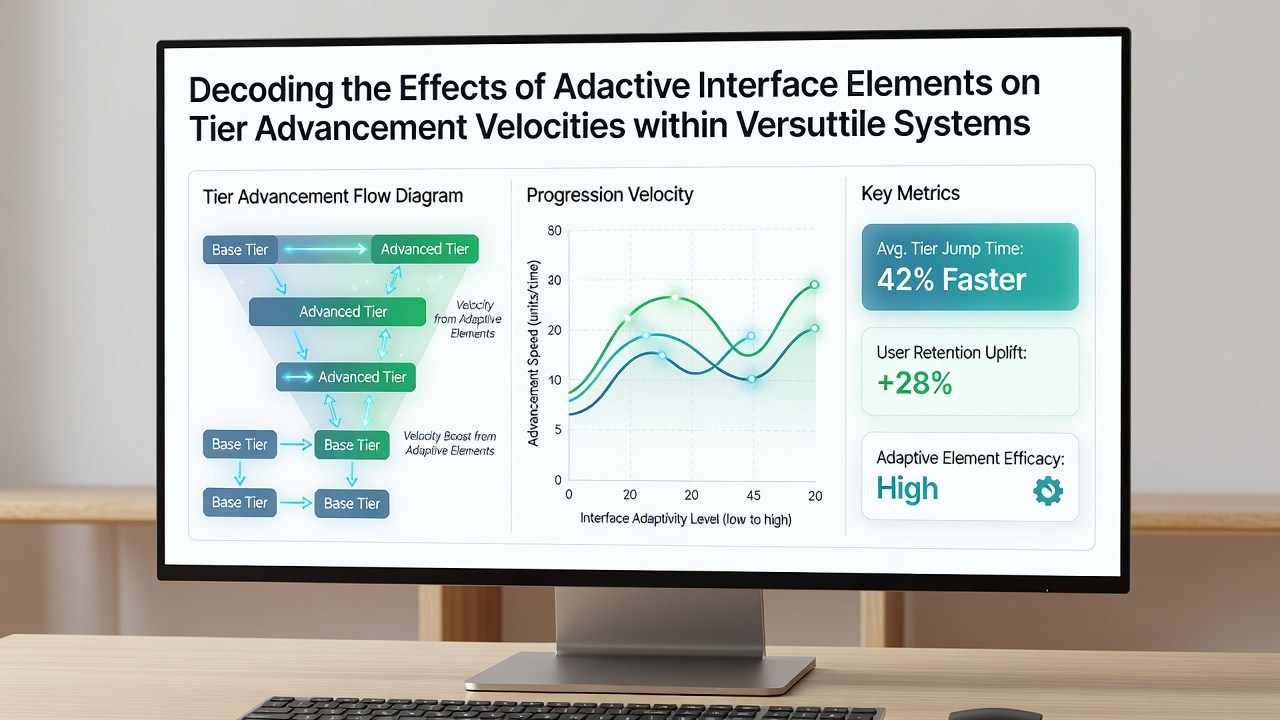
Advancement velocity depends on tracked metrics such as total wager volume, deposit frequency, and retention across calendar months. Adaptive interfaces affect these inputs by shortening friction points that previously interrupted play sequences. Research compiled by the International Center for Gaming Regulation at the University of Nevada, Las Vegas demonstrates that users exposed to context-sensitive deposit reminders completed 18 percent more transactions per active week than control groups using fixed layouts. That increase translated into faster accumulation of tier points across the examined six-month windows.
Another variable involves the visibility of tier benefits. When interfaces surface upcoming rewards or status perks immediately after qualifying actions, players show elevated return rates within 24 hours. Data aggregated from platforms operating in regulated markets outside the United Kingdom reveals similar patterns, with advancement curves steepening once personalized status dashboards replace generic account summaries. These shifts appear most pronounced among mid-tier users who receive targeted prompts highlighting the exact activity needed to reach the subsequent level.
Regional Regulatory Context and Platform Adjustments in 2026
By June 2026 several jurisdictions had updated technical standards governing user-interface personalization in mobile gambling applications. Regulators in Nevada and certain Australian states require operators to maintain audit logs of interface variations shown to different user segments. These logs allow oversight bodies to verify that adaptive changes do not create unequal access to promotional mechanics tied to tier status. Compliance documentation submitted to the Nevada Gaming Control Board indicates that most major platforms now version-control their interface algorithms alongside traditional game mathematics.
Operators have responded by embedding configurable rules that can be toggled without full app resubmission. This flexibility permits rapid testing of new notification cadences or menu sequences while remaining within documented boundaries. Reports from the Australasian Gaming Council note that such modular designs have shortened the interval between regulatory approval and live deployment from several weeks to a matter of days in compliant markets.
Interaction Between Device Variability and Advancement Metrics
Versatile platforms must accommodate differences in screen size, operating system version, and network conditions. Adaptive systems detect these variables and adjust element density accordingly, ensuring that progress indicators remain legible without requiring additional scrolling. Observers tracking user cohorts across iOS and Android builds have recorded that consistent visual feedback across devices correlates with steadier month-to-month tier progression, whereas fragmented displays on older handsets sometimes coincide with longer intervals between status updates.
Network latency handling also plays a role. Interfaces that preload tier-related data during stable connections maintain accurate progress displays even when connectivity fluctuates. This continuity prevents situations where players believe they have stalled, which earlier static versions occasionally produced. Aggregated telemetry from multiple operators shows reduced support tickets related to tier calculations after adaptive preloading became standard.
Conclusion
Evidence gathered through platform telemetry and regulatory submissions establishes clear connections between adaptive interface design choices and the pace of tier advancement in mobile entertainment environments. Continued refinement of these elements, guided by region-specific compliance requirements, shapes how quickly users move through loyalty structures. As technical standards evolve through 2026 and beyond, the relationship between interface adaptability and advancement velocity will likely remain a focal point for both operators and oversight agencies seeking to maintain transparent progression systems.