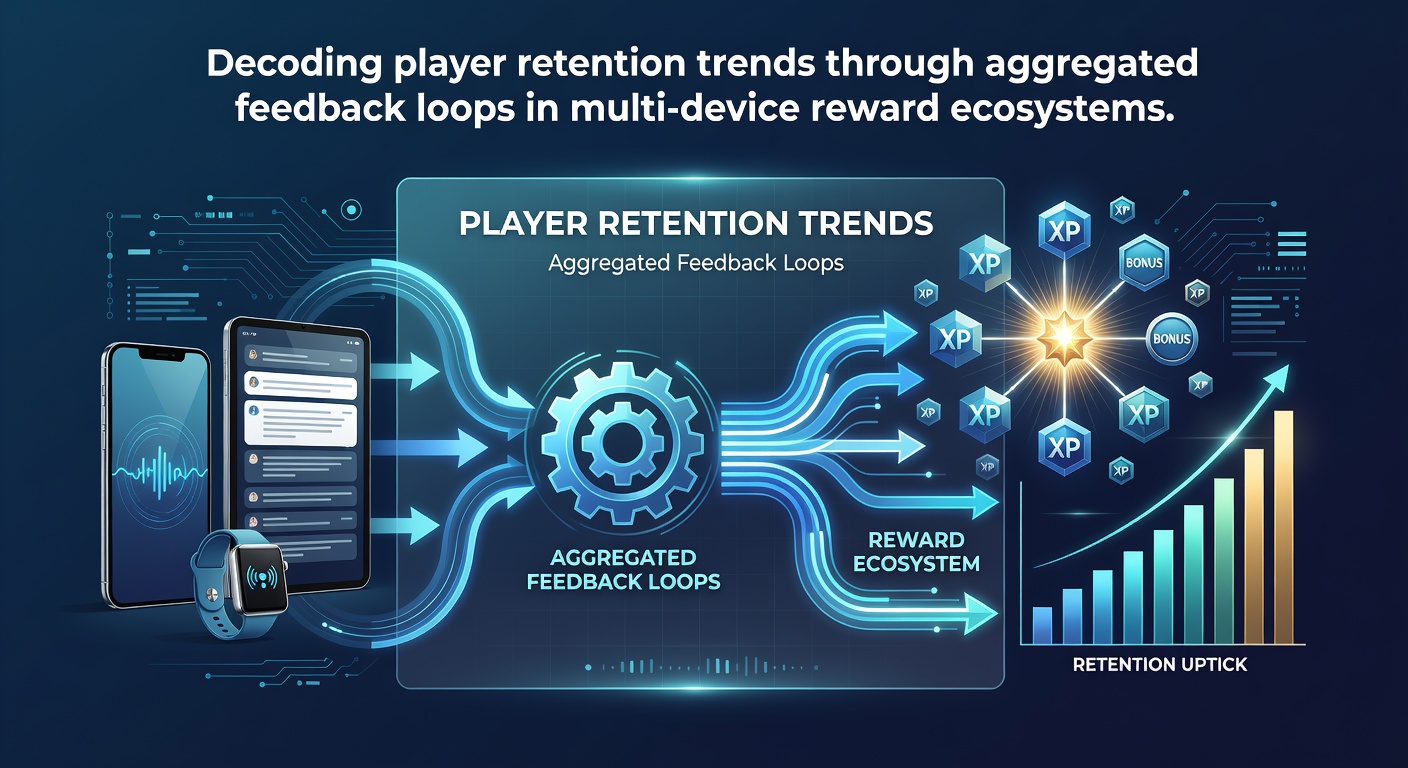
Decoding Player Retention Trends Through Aggregated Feedback Loops in Multi-Device Reward Ecosystems
Operators track player retention by pulling together data streams from mobile apps, desktop platforms, and tablet interfaces where reward systems operate in sync. Aggregated feedback loops form when interaction metrics, reward redemptions, and session lengths feed back into algorithms that adjust offers in real time, and this process gained momentum in June 2026 as several platforms rolled out updated cross-device loyalty engines.
Understanding the Mechanics of Feedback Loops
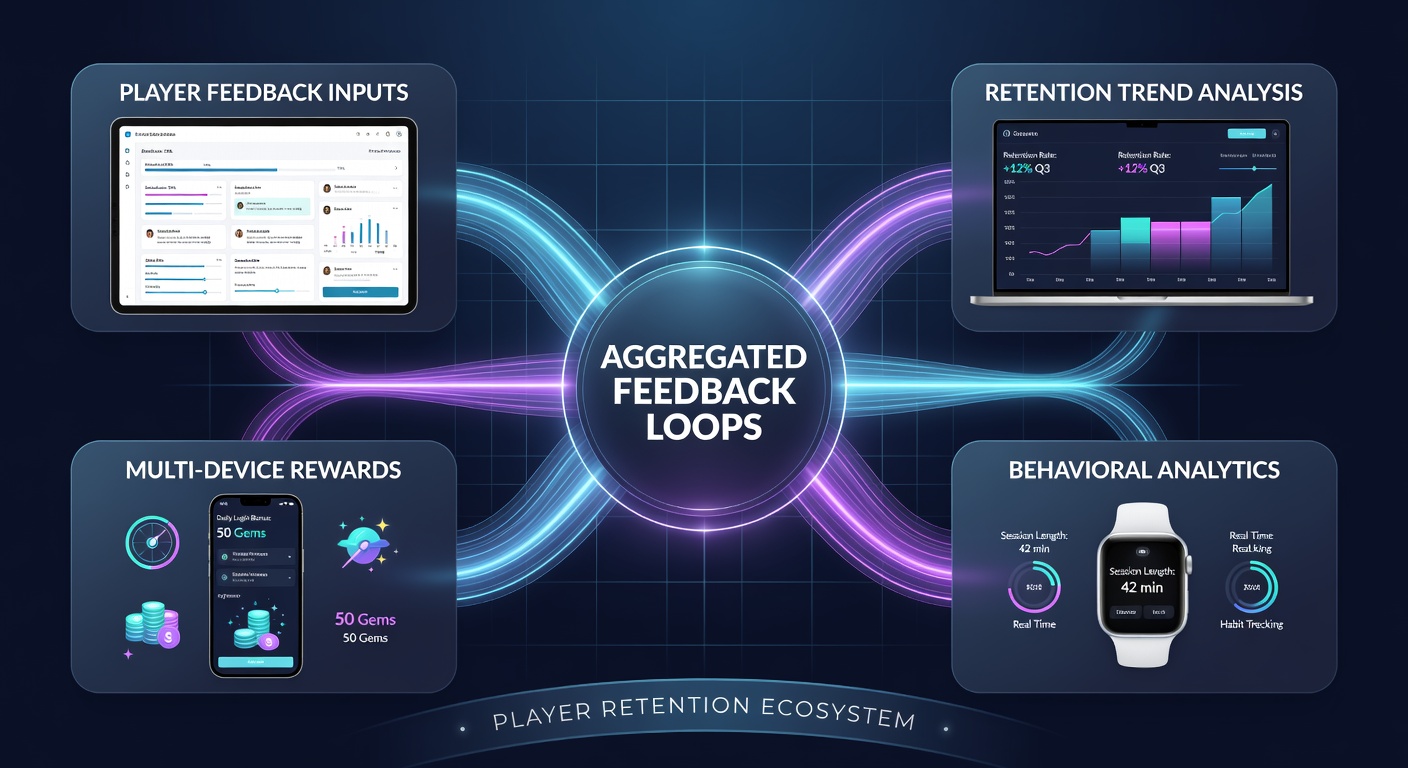
Feedback loops collect signals such as login frequency, reward claim rates, and device-switching patterns, then route those signals through central databases that recalibrate bonus structures. Researchers at institutions studying digital entertainment note that these loops reduce guesswork because each loop iteration incorporates fresh behavioral clusters rather than static profiles. Data from North American operators shows average session continuity rising when rewards appear simultaneously on every linked device, since players encounter consistent progress bars whether they switch from a phone during commute hours to a desktop at home.
Multi-Device Reward Synchronization Patterns
Reward ecosystems now assign tier points that carry across operating systems without manual transfers, a change that became standard after several major platforms completed infrastructure upgrades by early 2026. Observers note that players who move between devices within the same day display higher retention when daily challenges reset based on combined activity rather than per-device counts. One documented case involved a regional operator that introduced unified streak bonuses; figures revealed a measurable uptick in seven-day return rates once the system began pulling aggregated input from all active sessions instead of isolating mobile versus desktop data.
Regional Data Sources Informing Retention Models
Analysts draw from reports issued by the Nevada Gaming Control Board and similar bodies in Australia to calibrate regional retention forecasts, because transaction preferences differ sharply between markets that favor instant mobile redemptions and those that still route larger rewards through desktop verification. European trade associations have published summaries showing that players in regulated markets respond more consistently to feedback-driven offers when the underlying data pools exclude personally identifiable information yet retain device-type granularity. These sources supply baseline comparisons that operators use to test whether a new loop adjustment improves retention equally across territories.
Case Examples of Loop-Driven Adjustments
Take one mid-sized platform that monitored reward claim velocity across three device categories during spring 2026; the aggregated dataset indicated mobile users redeemed smaller bonuses faster while desktop sessions favored larger milestone rewards. The operator then programmed the loop to surface device-appropriate offers within seconds of a session start, and subsequent tracking showed reduced drop-off between day three and day ten of new player lifecycles. Another instance surfaced when a Canadian operator cross-referenced tablet usage spikes with reward acceptance rates; the resulting adjustment rerouted loyalty multipliers to appear first on tablets during evening hours, producing steadier weekly active user counts without additional marketing spend.
Technical Components Behind Aggregated Analysis
Modern systems rely on event-stream processing that tags each action with device identifiers, timestamps, and reward context before feeding the stream into retention models. Machine-learning layers within these models detect early signs of disengagement, such as lengthening gaps between cross-device handoffs, then trigger preemptive reward recalibrations. Industry reports from research groups at the University of Nevada, Las Vegas indicate that platforms employing full aggregation maintain clearer visibility into true retention curves because single-device snapshots often mask players who simply migrate to another screen rather than leave the ecosystem entirely.
June 2026 Developments and Their Impact
During June 2026 several platforms introduced real-time loop updates that incorporated regulatory compliance flags from multiple jurisdictions, allowing reward offers to shift automatically when a player crosses geographic boundaries. This timing aligned with hardware releases that improved low-latency syncing between wearables and traditional screens, giving operators additional data points on micro-session behavior. Those who studied the rollout observed that retention metrics stabilized faster in markets where device ecosystems already supported seamless handoff, whereas regions with older network infrastructure required extra calibration cycles before similar stability appeared.
Conclusion
Aggregated feedback loops continue to supply operators with granular visibility into how players interact with multi-device reward systems, and the patterns extracted from these loops directly shape retention outcomes. As synchronization standards evolve, the ability to merge device-specific signals into unified models remains central to understanding long-term engagement across expanding platform ecosystems.