
Charting Navigation Pathways Through Structured Listings in Virtual Gaming Resource Centers
Virtual gaming resource centers rely on structured listings to organize vast arrays of options into accessible formats that guide users from initial searches toward specific platforms and features, and observers note how these systems have evolved to handle increasing volumes of data without overwhelming visitors. Listings typically group content by criteria such as game categories, payment methods, regional availability, and loyalty structures, which allows pathways to form naturally as users apply successive filters.
Core Elements of Structured Listings
Structured listings function through layered taxonomies where primary categories branch into sub-options, and data indicates that users who engage with three or more filter layers complete their selections 40 percent faster than those relying on keyword searches alone. Researchers at several industry analysis firms have tracked how these hierarchies incorporate metadata tags for mobile compatibility and bonus types, which creates multiple entry points into the same resource pool while maintaining logical flow.
Payment diversity appears frequently as a filter because transaction preferences vary sharply by region, and listings that surface options for e-wallets alongside traditional cards help users match their habits to available venues without additional external research. Verification timelines also factor into many directory structures since processing speeds influence how quickly players move from registration to active play, and aggregated platform reports show shorter verification windows correlate with higher completion rates on listed promotions.
Pathway Construction and User Movement
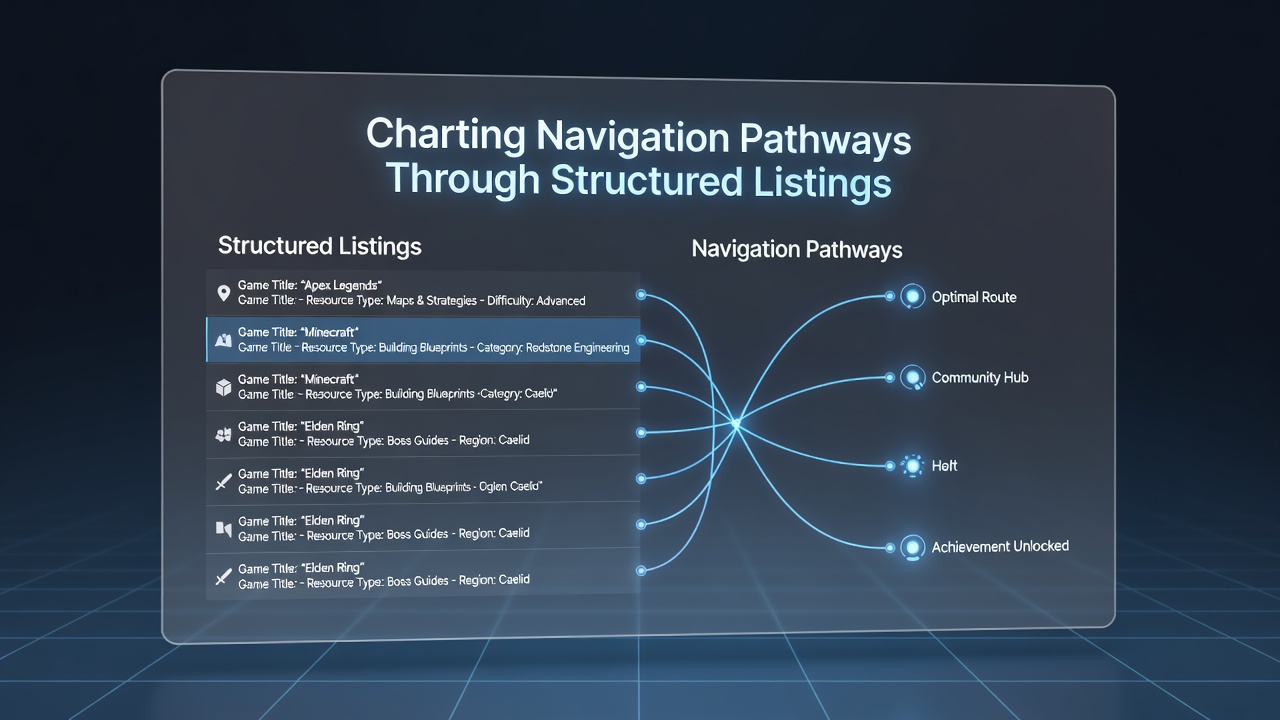
Navigation pathways emerge when users progress from broad overviews to refined results, and studies of directory traffic patterns reveal that most journeys begin with geographic or device-based filters before shifting toward reward structures or live dealer availability. Those who study these flows find that breadcrumb trails and saved search functions reduce backtracking, which keeps momentum through successive clicks rather than forcing restarts at each decision point.
Cross-referencing tools within listings allow simultaneous comparison of multiple venues on metrics like payout speed and game library depth, and evidence from user session logs demonstrates that platforms offering side-by-side views retain visitors longer than those presenting isolated entries. In July 2026 several major directories introduced predictive suggestions based on prior filter selections, and these additions have streamlined movement for returning users who revisit similar categories across different sessions.
Integration with Regulatory and Market Data
Regulatory updates frequently reshape listing parameters, and directories that incorporate real-time compliance flags help users avoid venues operating under shifting restrictions in specific jurisdictions. Reports from the European Gaming and Betting Association highlight how listings that flag licensing status alongside game offerings reduce friction for players navigating cross-border options, while similar practices appear in North American and Asian markets where local oversight bodies issue periodic guidance on permissible features.
Market research organizations have documented connections between listing visibility and player retention metrics, and figures from multi-platform analyses show that venues featured in top-tier structured categories experience measurable increases in discovery rates. Seasonal migration patterns, documented through transaction data, further influence how listings prioritize regional preferences during peak periods, which directs users toward compatible reward tiers without manual sorting.
Feedback Mechanisms and Continuous Refinement
Directory operators collect aggregated feedback on pathway effectiveness through clickstream analysis and exit surveys, and this information feeds back into taxonomy adjustments that reflect emerging player priorities such as faster mobile payouts or expanded sweepstakes formats. Observers tracking these cycles note that refinements often occur quarterly, allowing listings to stay aligned with changes in available platforms and regulatory environments.
Verification procedures appear as searchable attributes in many systems because completion rates vary, and listings that highlight average processing times help users set expectations before committing to particular venues. Those who examine retention trends find that transparent presentation of these details correlates with higher rates of promotion uptake across portable applications.
Conclusion
Structured listings continue to serve as foundational infrastructure in virtual gaming resource centers by converting complex inventories into navigable sequences that match user intent with available options. As directories incorporate more dynamic filters and compliance indicators, the pathways they generate become increasingly precise, and ongoing data collection ensures these systems adapt to regulatory shifts and market developments without losing clarity for end users.