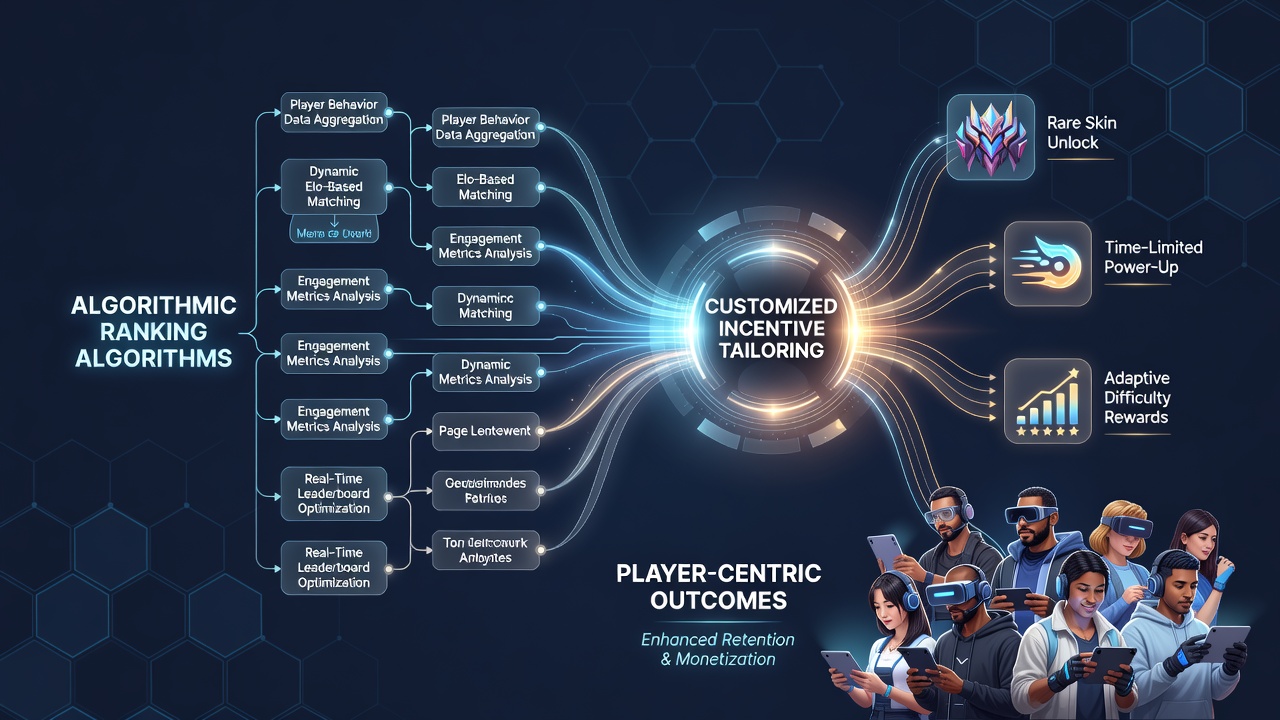
Charting intersections between algorithmic ranking algorithms and customized incentive tailoring in next-generation mobile gaming ecosystems
Algorithmic ranking systems in mobile gaming now process player behavior data in real time to determine position on leaderboards, match players in competitive modes, and allocate visibility within social features, while customized incentive tailoring uses the same data streams to deliver targeted rewards such as exclusive items, currency bonuses, and progression accelerators. Observers note that these two mechanisms intersect when ranking outputs feed directly into incentive engines, creating loops where higher visibility generates more opportunities for reward engagement and where reward uptake influences subsequent rank calculations.
Core Components of Ranking Algorithms in Mobile Titles
Modern ranking algorithms aggregate metrics including session length, win rates, social interactions, and in-app purchase history to generate composite scores that sort players across global or regional leaderboards. Data from major platform operators shows that these scores update continuously rather than at fixed intervals, allowing rapid adjustments when players complete events or purchase upgrades. Researchers at several universities have documented how such systems incorporate machine learning models trained on anonymized datasets spanning millions of accounts, which improves prediction accuracy for future performance while reducing the computational load on mobile devices.
Those who study these systems point out that ranking outputs also determine matchmaking pools in multiplayer environments, ensuring that participants face opponents with similar skill profiles derived from the same underlying calculations. In July 2026, several studios released updated documentation explaining refinements to these models that now factor in device performance metrics alongside behavioral signals, creating more stable rank placements across varied hardware conditions.
Mechanics of Customized Incentive Delivery
Incentive tailoring engines segment user bases into dynamic cohorts based on engagement patterns, spending velocity, and churn risk indicators calculated from the same data pipelines that support ranking. Each cohort receives distinct offers calibrated to maximize retention without disrupting overall economy balance, and these offers appear through push notifications, in-game pop-ups, or personalized store sections. Figures released by industry associations indicate that such segmentation increases average session frequency by measurable margins when compared against uniform reward distributions.
What's notable is the integration layer where ranking position modifies the incentive set presented to an individual account. Players near leaderboard thresholds often see accelerated progression rewards or limited-time cosmetics that reinforce continued participation, while those in lower tiers receive catch-up mechanics designed to sustain motivation. External analyses from European digital economy reports confirm that this layered approach relies on privacy-preserving techniques to comply with regional data regulations across multiple jurisdictions.
Documented Intersections and Feedback Loops
Intersections become visible when ranking algorithms supply real-time inputs to incentive models, allowing offers to reflect current competitive standing rather than static historical profiles. One documented pattern involves players who climb ranks receiving invitations to exclusive events that further boost their visibility, thereby increasing the likelihood of additional reward opportunities. Studies published through academic channels have tracked these loops across popular battle arena and role-playing titles, revealing that the correlation between rank advancement and incentive uptake strengthens over successive update cycles.
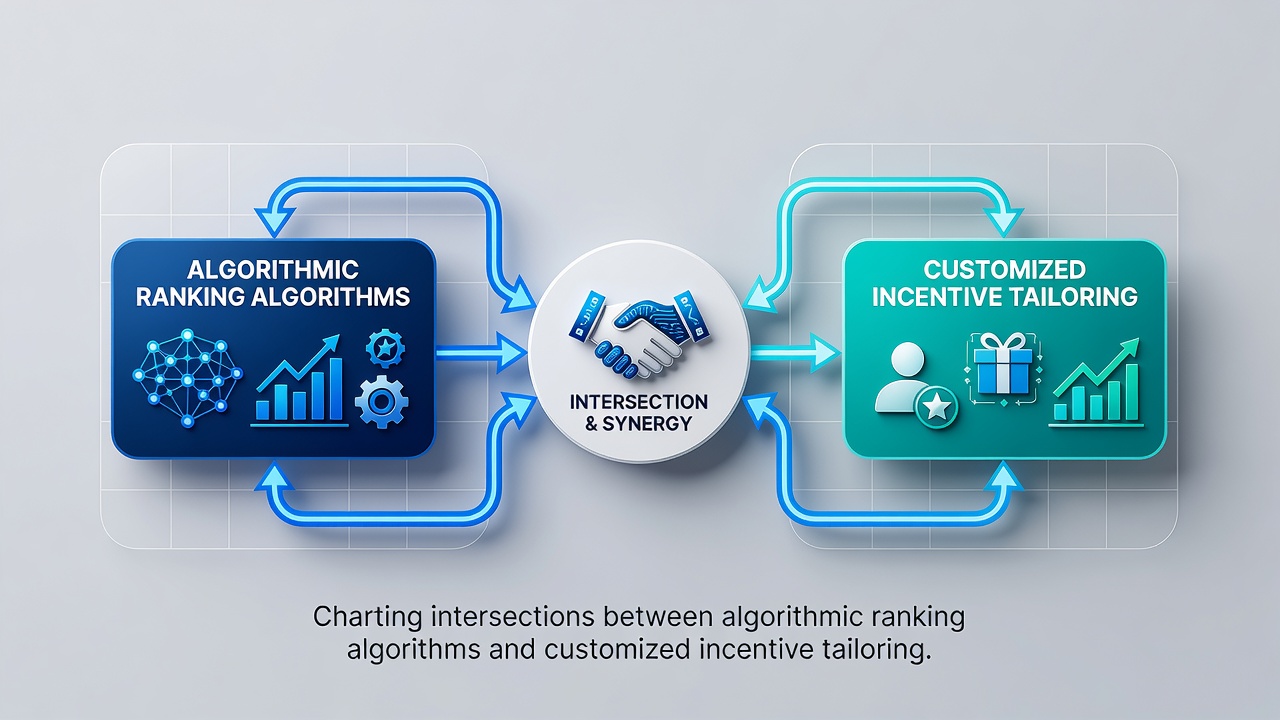
According to the Entertainment Software Association, platforms that synchronize these systems report higher daily active user retention across age demographics, particularly when incentives align with visible rank milestones. The same reports highlight that synchronization requires careful calibration to avoid perceptions of pay-to-rank mechanics, which developers address through transparent probability disclosures and free-to-play pathways that remain competitive.
Regional Variations in Implementation
Implementation differs by market because local regulations shape how behavioral data can flow between ranking and incentive subsystems. In North American deployments, developers emphasize opt-in features that let players control which metrics contribute to personalization, whereas Asia-Pacific markets often integrate social ranking signals more deeply with group-based rewards. Canadian regulatory summaries from 2025 onward note increased scrutiny on transparency requirements, prompting studios to publish simplified explanations of how rank and reward calculations interact.
Yet the technical architecture remains consistent: shared data lakes feed both ranking and incentive modules, with governance layers enforcing separation where required. Observers tracking July 2026 platform updates have recorded several titles that introduced cross-game ranking portability, allowing progress from one mobile title to influence incentive eligibility in partner applications within the same publisher ecosystem.
Technical and Economic Considerations
Engineers managing these intersections must balance computational efficiency against fairness constraints, since complex ranking models consume device resources that could otherwise support richer incentive visuals. Economic models developed by research institutions demonstrate that synchronized systems generate more stable revenue curves because they reduce the volatility associated with sudden rank drops or missed reward windows. Industry organizations such as the Interactive Games and Entertainment Association have compiled comparative data showing measurable differences in player lifetime value when ranking and incentive layers operate in isolation versus coordinated modes.
Conclusion
The intersection of algorithmic ranking and customized incentive tailoring continues to evolve as mobile gaming platforms incorporate additional sensor data and cross-device tracking capabilities. Evidence from multiple sources indicates that these mechanisms now form core infrastructure rather than optional features, influencing everything from match quality to long-term engagement patterns. Continued refinement depends on transparent governance frameworks and ongoing academic scrutiny to ensure that both ranking accuracy and incentive relevance remain aligned with player expectations across global markets.