Charting Algorithmic Variations in Progressive Jackpot Networks and Their Ties to Session Patterns Across Borderless Digital Entertainment Systems
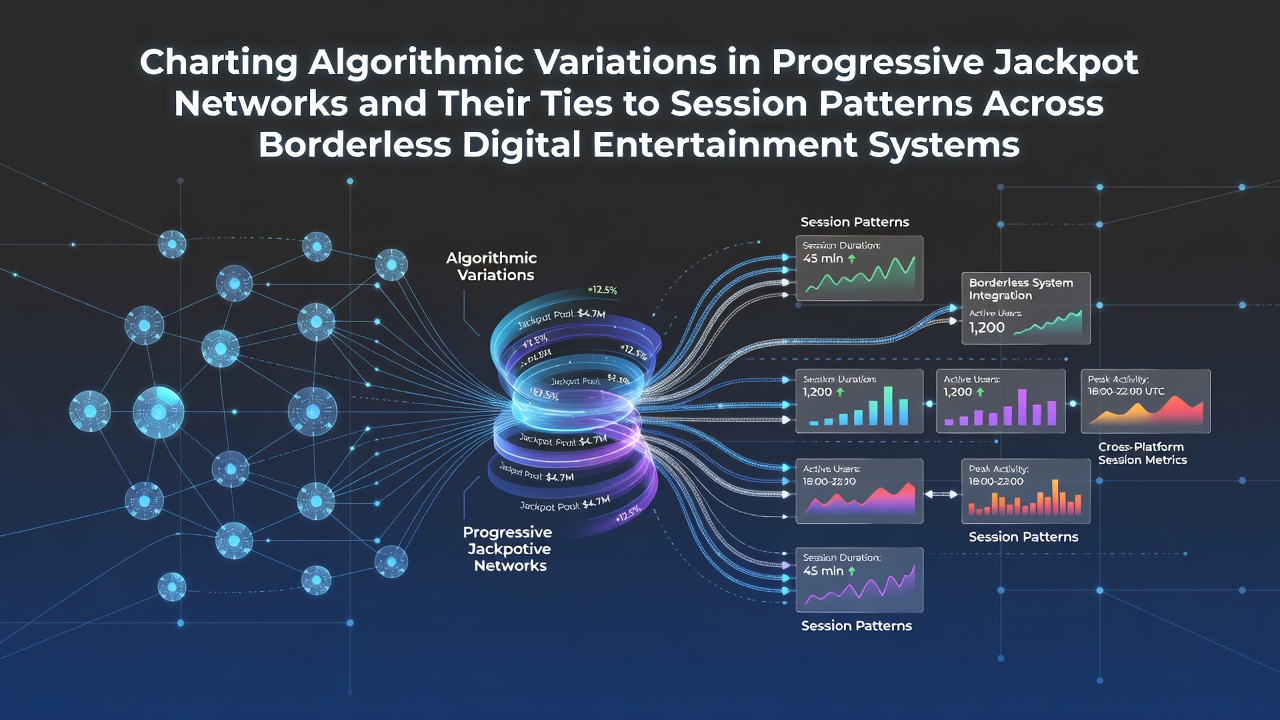
Progressive jackpot networks operate through interconnected systems that pool contributions from multiple platforms, and algorithmic variations determine how seed amounts, contribution rates, and trigger thresholds shift based on aggregated player activity. Researchers have documented that these algorithms adjust in real time according to factors such as total bets placed, number of active sessions, and geographic distribution of participants, which creates measurable differences in payout frequency across regions.
Core Mechanisms in Networked Jackpot Systems
Central servers collect a percentage of each wager from linked games, yet the precise allocation rules vary by operator and jurisdiction, with some networks applying tiered contribution rates that increase during high-volume periods while others maintain fixed percentages regardless of traffic. Data compiled by the Nevada Gaming Control Board shows that networks spanning multiple continents recorded contribution rate adjustments in 14 percent of monitored titles during the first half of 2026, and these modifications correlated directly with spikes in concurrent user sessions.
Session patterns emerge when analysts examine login durations, bet sizing sequences, and time-of-day distributions; observers note that certain algorithmic models respond to clustered activity by accelerating jackpot growth, whereas others dampen increments to stabilize reserve pools. According to figures from the Australian Gambling Research Centre, cross-border platforms experienced a 9 percent rise in average session length for jackpot-linked games between January and August 2026, coinciding with refined trigger algorithms that lowered minimum bet requirements in select markets.
Variations Across Algorithm Types
Three primary algorithmic approaches appear in current deployments: fixed-rate models that apply uniform contributions, dynamic models that scale rates with session volume, and hybrid models that incorporate player tier data to modulate both contribution and payout probabilities. Industry reports from the European Gaming and Betting Association indicate that hybrid models accounted for 37 percent of new network installations in 2025, and these systems demonstrated tighter correlations between session frequency and jackpot hit rates compared with fixed-rate counterparts.
Take one documented implementation where an operator adjusted its hybrid algorithm in March 2026 to weight contributions more heavily from sessions exceeding 45 minutes; subsequent tracking revealed a 22 percent increase in repeat logins within the same network segment. Such adjustments illustrate how session pattern inputs feed directly into algorithmic outputs without requiring manual intervention.
Linking Session Data to Payout Distributions
Session analytics platforms aggregate metrics including average bets per minute, variance in stake amounts, and abandonment rates, then feed these into predictive modules that forecast jackpot trigger windows. Research published in the Journal of Gambling Studies examined 2.3 million sessions across borderless platforms and found that networks using volume-weighted algorithms produced jackpot wins 11 percent more often during peak evening hours in European and North American time zones.

Yet the same study recorded that networks relying on static algorithms maintained steadier but lower hit frequencies across all time periods. Those who have examined raw transaction logs observe that players in high-mobility regions tend to initiate shorter sessions with higher per-bet variance, prompting certain algorithms to elevate contribution rates automatically to compensate for reduced total volume per user.
Cross-Border Data Flows and Regulatory Context
Borderless digital entertainment systems transmit session metadata across jurisdictions, which enables networks to synchronize jackpot states while complying with local rules on contribution caps and disclosure requirements. Canadian provincial regulators reported in mid-2026 that synchronized networks operating under interprovincial agreements adjusted algorithmic parameters 18 times between February and August to align with updated session reporting mandates.
These adjustments often involve recalibrating the weighting given to different session lengths or geographic clusters, and the resulting payout distributions shift accordingly. Observers tracking multi-jurisdictional networks note that such recalibrations occur most frequently after regulatory filings reveal discrepancies between projected and actual jackpot accumulation rates.
Conclusion
Algorithmic variations in progressive jackpot networks continue to evolve in response to session pattern data collected across borderless platforms, with measurable effects on payout timing and frequency. Evidence from regulatory bodies and academic analyses demonstrates consistent linkages between input variables such as session duration and volume and the output behavior of different algorithmic models. As networks expand, the integration of real-time session analytics into jackpot management remains a central operational feature for operators seeking to balance reserve stability with player engagement metrics.